Choosing a clinic for anal pain or bleeding starts with identifying whether the problem is a fissure or something that needs urgent hospital care. By the end, you will know which type of clinician to book, what the first assessment should include, how treatment choices progress, and which questions to ask before agreeing to a procedure.
Key takeaways
- Book an appointment when pain, bleeding, skin tags, or discharge keep returning.
- Seek urgent care for heavy bleeding, fever, severe swelling, or inability to pass stool.
- Expect an examination, symptom history, and a stepwise treatment plan.
- Ask about conservative care, follow-up timing, anaesthesia, and surgery risks.
When to Book an Appointment and When to Seek Urgent Care
Book a routine appointment when anal pain lasts beyond a bowel movement, bleeding keeps returning, or symptoms do not settle with sensible stool-softening measures. A visible tear, a new skin tag, discharge, or repeated episodes also need examination rather than continued self-diagnosis.
Seek prompt medical assessment if you have:
- Fever with severe or constant throbbing anal pain
- Pus, rapidly spreading swelling, or a tender lump
- Heavy or ongoing rectal bleeding
- Dizziness, fainting, marked weakness, or pale skin
- Inability to pass stool or urine
These signs can indicate a perianal abscess, fistula, significant bleeding, or another condition that needs timely treatment. Do not wait for a routine fissure appointment if they appear.
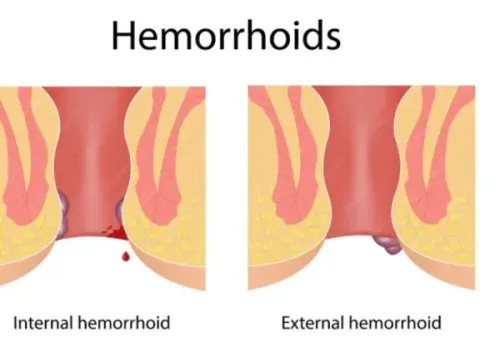
Arrange an assessment for persistent bleeding, unexplained weight loss, a lasting change in bowel habit, anaemia, a family history of colorectal cancer, or fissure-like symptoms that begin later in life. The clinician needs to distinguish an acute or chronic fissure from haemorrhoids, infection, inflammatory bowel disease, abscess, fistula, and colorectal disease.
A painful fissure can make a digital rectal examination or anoscopy unsuitable at the first visit; inspection and your history may come first. When seeking fissure treatment in Dombivli, book a consultation that includes examination and a clear follow-up plan.
Which Clinician and Facility Should You Choose in Dombivli?
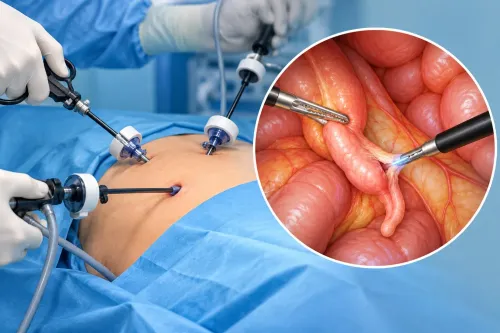
Choose a clinician who routinely treats anal-canal disease, not one selected only because a clinic advertises laparoscopic surgery. Laparoscopy is not the defining technique for standard fissure treatment; examination, diagnosis and continence-risk assessment matter more.
| Option | What to compare | When it fits |
|---|---|---|
| Colorectal surgeon | Experience with fissures, haemorrhoids, fistulas, abscesses and continence-preserving treatment | Recurrent, chronic or diagnostically uncertain symptoms |
| General surgeon | Actual frequency of anorectal work, examination skills and access to specialist referral | Straightforward symptoms when colorectal expertise is documented |
| Hospital outpatient department | Specialist availability, examination facilities and rapid escalation for abscess, bleeding or other disease | You may need investigations, anaesthesia or urgent hospital care |
| Fissure surgery clinic | Named surgeon’s qualifications, diagnosis process, follow-up and treatment alternatives | Useful only when it offers assessment rather than pushing an operation |
Before booking an anal fissure specialist in dombivli, verify the named doctor’s registration and specialty through the National Medical Commission’s Indian Medical Register. A clinic name or procedure advertisement does not prove colorectal expertise.
Ask whether the surgeon will assess continence history, previous anal operations, obstetric sphincter injury and inflammatory bowel disease before discussing lateral internal sphincterotomy.
A fissure doctor near dombivli should also check alternatives such as haemorrhoids, abscess, fistula and Crohn’s disease. Choose prompt medical assessment instead of routine clinic booking for fever, pus, constant throbbing pain, spreading swelling or difficulty passing urine.
What the First Fissure Assessment Should Include
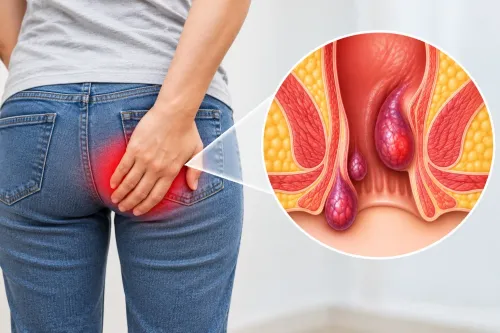
The first assessment should establish whether the pain or bleeding comes from an acute fissure, a chronic fissure, haemorrhoids, an abscess, fistula, infection, inflammatory bowel disease or another colorectal condition.
A fissure doctor near dombivli should begin with your symptom history: pain during or after stool, constipation or diarrhoea, bleeding, discharge, recurrence, weight loss and changes in bowel habit.
The clinician then inspects the anal opening, usually identifying a linear tear and its position. A skin tag or a visible external opening can suggest chronic disease or fistula instead.
A very painful acute fissure can make a digital rectal examination or anoscopy unsafe and unnecessarily distressing, so the clinician may defer them until pain improves.
Before leaving, confirm that the assessment covers:
- The likely diagnosis and whether the fissure appears acute or chronic.
- Signs that point instead to haemorrhoids, abscess, fistula, Crohn’s disease or infection.
- Whether examination can be completed safely today, or needs postponement after pain control.
- Whether persistent bleeding, anaemia, unexplained weight loss, altered bowel habit, later-life onset or family history requires additional evaluation.
Further tests are not automatic. The clinician may recommend blood tests, stool tests, colonoscopy or imaging when symptoms do not fit a simple fissure, bleeding persists, or examination raises concern for deeper disease. Fever, throbbing constant pain, pus, spreading swelling or difficulty passing urine warrants prompt assessment rather than routine booking.
How Treatment Progresses from Stool Care to Surgery
Treatment usually moves from stool care to medication, then to a procedure if an acute fissure does not settle or a chronic fissure persists. The trade-off is slower healing with conservative care versus greater intervention and risk.
- Stool care: Increase fibre and fluids, and use a clinician-recommended stool softener or osmotic laxative. Warm sitz baths can ease spasm. This avoids procedural risk, but healing can be slow if constipation continues.
- Prescription cream: Nitroglycerin or diltiazem can relax the internal sphincter and support healing. Headache, skin irritation and incomplete healing can limit treatment.
- Botulinum-toxin injection: Botox temporarily relaxes the sphincter without permanently dividing muscle. It suits people avoiding surgery or carrying higher continence risk, but the effect fades and recurrence can require repeat treatment.
- Lateral internal sphincterotomy: This divides part of the internal sphincter and offers strong healing results for suitable chronic fissures. The key cost is a risk of trouble controlling flatus or stool.
A sentinel skin tag, enlarged anal papilla or exposed sphincter, plus persistence after appropriate care, supports chronic disease; pain intensity alone does not. Before surgery, the clinician should review previous anal operations, childbirth-related sphincter injury, inflammatory bowel disease and existing continence problems.
When comparing a fissure surgery clinic in Dombivli, ask whether the consultation includes examination, medication before surgery, a failure plan and continence follow-up. Dr Sharad Gurav Laparoscopic Surgeon - 9324545771 is one local option to evaluate against those questions before you book fissure treatment.
Related services
Fissure Treatment requires expert care to ensure lasting relief from pain and discomfort. Dr. View service → |
Anal Fissures Anal fissures are small tears in the lining of the anal canal that can cause sharp pain, bleeding during bowel movements, and discomfort. Dr. View service → |
Questions to Ask Before You Book Fissure Treatment
Before you book fissure treatment, ask for clear answers about the clinician, examination, medicines, procedure and follow-up. A clinic name or “painless” or “laser” claim does not show that the doctor routinely treats anal-canal disease.
1. Is the named doctor registered with the National Medical Commission’s Indian Medical Register, and what is the doctor’s actual specialty? Ask whether they regularly manage fissures and assess continence risk, rather than relying on a general laparoscopic-surgery advertisement.
2. Does the consultation include inspection and an appropriate examination? Ask how the clinician will distinguish a fissure from haemorrhoids, abscess, fistula or inflammatory bowel disease. Severe pain can make a digital rectal examination or anoscopy unsuitable until pain improves.
3. What medicine will you try before surgery? Confirm the exact preparation, dose, application instructions and duration. Topical nitroglycerin can cause headaches; diltiazem or nifedipine creams are alternatives used by many practices. Do not substitute an unspecified pharmacy cream.
4. If medicines fail, which operation is proposed, and why? Ask how the surgeon will protect the internal anal sphincter, what continence risks apply to you, and what happens if symptoms return.
5. What recovery should you plan for? Ask about pain control, bathing, stool-softening treatment, work restrictions, wound care and warning signs such as fever, pus or worsening swelling.
6. Who provides follow-up, when is it scheduled, and how will continence be checked? A fissure surgery clinic in Dombivli should explain these details before you choose fissure treatment in Dombivli.
Frequently asked questions
When should you book fissure treatment in Dombivli?
Book a routine appointment when pain lasts beyond a bowel movement, bleeding returns, or symptoms do not improve with stool-softening measures. A visible tear, new skin tag, discharge, or repeated episodes also needs examination.
When does an anal fissure require urgent care?
Seek urgent care for heavy or persistent bleeding, fever, rapidly increasing swelling, severe constant pain, pus-like discharge, dizziness, or inability to pass stool or urine.
What should the first fissure assessment include?
The clinician should review pain timing, bleeding, bowel habits, constipation, diarrhoea, previous episodes, medicines, and medical conditions. They should then examine the area and explain whether further tests or specialist care are needed.
How does fissure treatment progress before surgery?
Treatment usually starts with softer stools through fluids, fibre, and prescribed stool-softening medicines, alongside pain relief and local care. Persistent or recurrent fissures may need prescription medicines, injections, or an operation after clinical assessment.
What should you ask before booking fissure treatment or surgery?
Ask about the diagnosis, proposed treatment, expected recovery, follow-up schedule, anaesthesia, risks, alternatives, total fees, and what symptoms require urgent contact.
Keywords