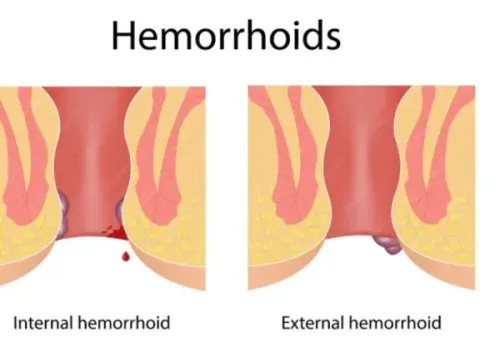
The right procedure depends on whether the problem is internal, external, or mixed; whether tissue prolapses; and whether constipation and straining have been addressed. By the end, you will know which findings favour home measures, an outpatient procedure, laser-based treatment, stapled repair, or excisional surgery, and what to ask during a consultation.
Key takeaways
- Confirm the bleeding source before choosing piles surgery.
- Grade I and II piles often suit office-based treatments.
- External tissue and thrombosis can rule out some procedures.
- Ask how prolapse, recurrence, pain, and recovery affect your plan.
Confirm the cause before choosing any operation
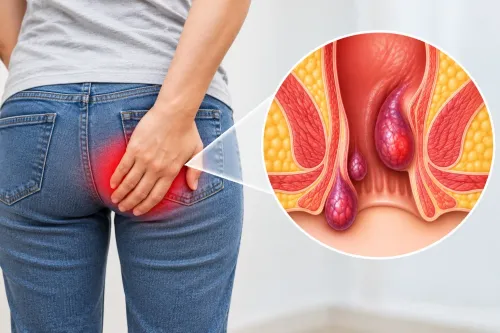
Bleeding is caused by piles only after an examination confirms swollen haemorrhoidal tissue and excludes other conditions. Bright-red blood on toilet paper or dripping into the bowl fits internal piles, but severe cutting pain points more strongly to an anal fissure; constant throbbing pain, fever, or swelling suggests an abscess or thrombosed external haemorrhoid.
A surgeon checks the anus, performs a digital rectal examination when tolerable, and uses an anoscope to view internal haemorrhoids and grade prolapse. Persistent unexplained bleeding, anaemia, altered bowel habits, weight loss, or a family history of bowel cancer may require colon evaluation rather than assuming piles.
| Symptom pattern | Condition to consider | What confirms the direction |
|---|---|---|
| Bright-red painless bleeding | Internal haemorrhoids | Anoscopy showing bleeding or prolapsing cushions |
| Sharp pain during and after stool | Anal fissure | Visible tear, usually at the anal margin |
| Constant pain with fever or pus | Abscess or fistula | Examination and, when needed, imaging |
| Sudden tender blue lump | Thrombosed external haemorrhoid | Inspection of the external swelling |
Treatment can begin without an operation when symptoms are mild, the diagnosis is clear, and there is no strangulated prolapse or large external component. Measures include:
- Fibre intake around 25–30 grams daily, adequate fluids, and a prescribed stool-softening medicine
- Avoiding straining and prolonged toilet sitting
- Warm sitz baths and prescribed creams for short-term relief
For persistent Grade I–II symptoms and selected Grade III cases, office treatments can follow. There is no single best treatment for piles in Dombivli; the grade and examination findings decide whether banding, sclerotherapy, or another procedure fits.
Match the piles grade to an office procedure
Grade I and II internal haemorrhoids usually suit an office procedure; selected Grade III cases may also respond when prolapse reduces and there is no large external component. The choice depends on whether bleeding, prolapse, or both cause the problem.
| Grade | Office option | Best fit and limitation |
|---|---|---|
| I | Sclerotherapy or infrared coagulation | Bleeding with little or no prolapse; treatment targets internal tissue |
| II | Rubber-band ligation, sclerotherapy, or infrared coagulation | Bleeding or prolapse that returns inside after passing stool |
| Selected III | Rubber-band ligation or haemorrhoidal artery ligation | Prolapse that reduces manually or spontaneously, without bulky external disease |
Rubber-band ligation places a band above the sensitive anal skin, cutting blood flow to an internal haemorrhoid. It does not treat external haemorrhoids or skin tags, and placing it on the wrong tissue can cause severe pain.
Sclerotherapy injects a solution to shrink bleeding tissue, while infrared coagulation uses heat; both suit smaller internal haemorrhoids more than substantial prolapse.
Haemorrhoidal artery ligation, also called Doppler-guided dearterialisation, can suit selected bleeding or prolapsing internal haemorrhoids without a large external component. It is not automatically the best choice, because recurrence depends on grade and anatomy.
Ask the surgeon to explain why one of these piles operation options in Dombivli fits your findings, and what happens if symptoms continue.
Compare haemorrhoidectomy, stapled repair, artery ligation, and laser
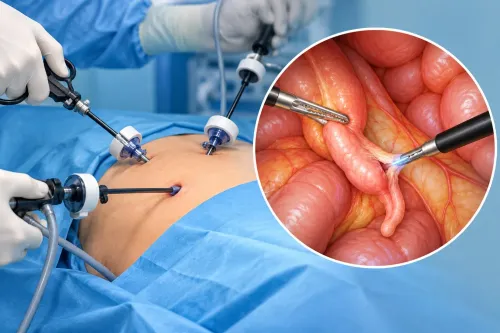
The right operation depends less on its name than on the anatomy: internal or external haemorrhoids, grade, prolapse, bleeding, and thrombosis. “Laparoscopic piles surgery” is misleading for these choices; standard procedures use the anal canal or perianal area, not abdominal ports.
A registered surgeon with proctology training should explain that distinction before comparing piles surgery options in Dombivli.
| Option | What it treats | Recovery and discomfort | Recurrence trade-off |
|---|---|---|---|
| Excisional haemorrhoidectomy | Removes internal piles plus external or mixed tissue; suits bulky Grade III–IV disease | Longest recovery and most wound discomfort, especially during bowel movements | Usually the most durable option, but carries risks such as bleeding, narrowing, or continence problems |
| Stapled repair | Lifts prolapsing internal piles; does not remove external tissue | Less early pain and faster recovery than excision | Prolapse and bleeding can return more often, particularly with advanced disease |
| Artery ligation | Reduces blood flow to selected internal piles causing bleeding or moderate prolapse | Usually less painful than excision, with a shorter recovery | Recurrence varies with grade and anatomy; large external components remain |
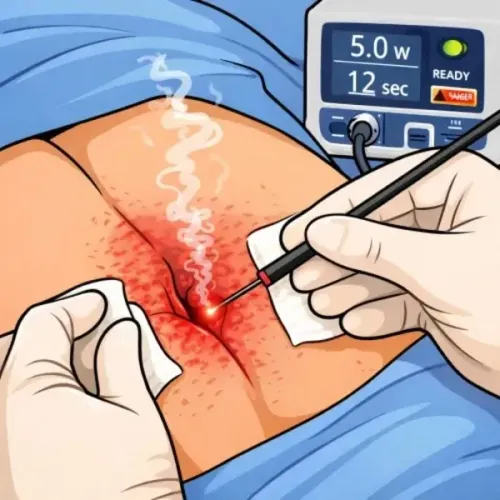
| Laser treatment | Shrinks selected internal piles through a limited procedure | Often involves less early discomfort and quick return to routine | Results depend on technique and prolapse; bulky external or mixed disease may persist or recur |
Ask what happens if symptoms continue, which anaesthetic is planned, and how many days you should expect pain or restricted activity. A lower-pain procedure is not automatically better if it leaves significant prolapse untreated.
Let prolapse, external tissue, and thrombosis change the decision
A limited procedure is the wrong choice when the main problem sits outside the anal canal. Large external haemorrhoids, mixed internal-and-external disease, fixed Grade III prolapse, or Grade IV tissue that cannot be pushed back favour excisional haemorrhoidectomy over laser or artery ligation.
| Finding | Treatment direction | Why a limited procedure may fail |
|---|---|---|
| Large external or mixed haemorrhoids | Excisional haemorrhoidectomy | It does not remove the external component |
| Reducible internal prolapse without bulky external tissue | Artery ligation or selected stapled repair | These techniques target internal disease only |
| Irreducible Grade IV prolapse | Excisional surgery assessment | Persistent prolapse needs more than bleeding control |
| Sudden severe pain with a firm blue lump | Prompt assessment for thrombosed external haemorrhoid | Delayed care can prolong pain and allow skin breakdown |
A thrombosed external haemorrhoid needs prompt surgical assessment, particularly when severe pain began recently; selected patients benefit from removing the clot and overlying haemorrhoid. Fever, spreading redness, pus, black tissue, heavy bleeding, dizziness, or inability to pass urine requires urgent medical attention rather than a routine laser booking.
The best treatment for piles in Dombivli is not automatically the least painful option. Compare recurrence, external tissue, prolapse, wound care, and recovery time when reviewing piles operation options in Dombivli. A surgeon should explain why the proposed procedure addresses every component found on examination.
Use the consultation to verify the diagnosis and plan
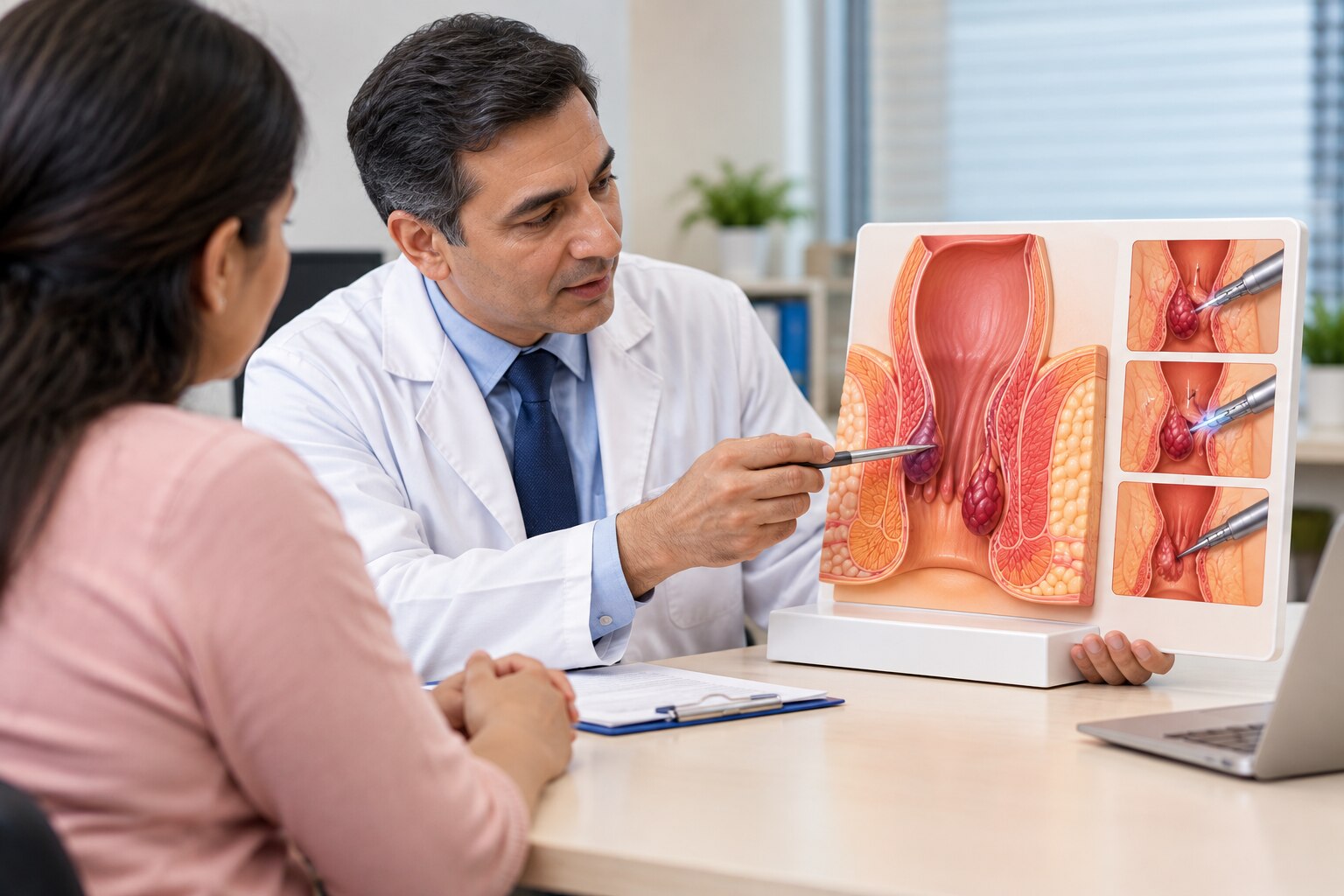
A piles surgery consultation should begin by confirming that piles explain the symptom, not by selecting a branded procedure. The surgeon should review bleeding, pain, prolapse, bowel habits, previous treatment, medicines, family history, and changes in bleeding.
A digital rectal examination and anoscopy can identify internal piles, fissure, fistula, abscess, or another anal cause; persistent or unexplained bleeding may require colon evaluation.
Ask the piles operation specialist in Dombivli to state the grade, whether the disease is internal, external, or mixed, and whether prolapse or thrombosis changes the plan. Request the exact procedure name.
“Laparoscopic piles surgery” is not a substitute for that answer: haemorrhoidectomy, banding, stapled haemorrhoidopexy, artery ligation, and laser-based procedures use different techniques and have different limitations.
Use these questions to test whether the recommendation fits your findings:
- Why is this procedure preferable to fibre and medicines, banding, artery ligation, stapled repair, or excisional haemorrhoidectomy?
- Does it treat external tissue and prolapse, or only internal piles?
- What anaesthesia, wound care, pain control, time away from work, and bowel restrictions should you expect?
- What are the risks of recurrence, bleeding, urinary difficulty, anal narrowing, or continence changes?
- What happens if bleeding or prolapse continues after treatment?
Verify the clinician’s medical registration and relevant colorectal, gastrointestinal, general-surgery, or proctology training. Dr Sharad Gurav Laparoscopic Surgeon - 9324545771 should be assessed by the same standards: diagnosis, reasoning, alternatives, and a documented aftercare plan.
Related services
Piles Surgery Piles surgery is an effective solution for patients suffering from severe or recurring hemorrhoids that cause pain, bleeding, and discomfort. Dr. View service → |
Hemorrhoids or Piles Hemorrhoids, also known as piles, are swollen and inflamed veins in the rectum and anus that can cause pain, itching, bleeding, and discomfort during... View service → |
Frequently asked questions
How do doctors confirm that bleeding is caused by piles?
They examine the anus and rectum to identify swollen haemorrhoidal tissue and exclude fissure, abscess, thrombosed external haemorrhoid, or another source of bleeding.
Which piles grades can suit an office procedure?
Grade I and some grade II internal haemorrhoids often suit office treatments. Grade III or IV prolapse, large external components, or persistent symptoms can require an operation.
How do haemorrhoidectomy, stapled repair, artery ligation, and laser differ?
Haemorrhoidectomy removes haemorrhoidal tissue and suits significant prolapse or external disease. Stapled repair lifts prolapsed internal tissue but does not remove external piles. Artery ligation reduces blood flow to internal haemorrhoids. Laser treatment uses heat to shrink selected haemorrhoidal tissue. Your grade, prolapse, external tissue, symptoms, and recurrence risk determine the suitable choice.
When can external tissue or thrombosis change the operation choice?
External tissue can make treatments designed only for internal haemorrhoids unsuitable. A painful thrombosed external haemorrhoid needs assessment for timing and treatment rather than an automatic choice of routine piles surgery.
What should you ask during a piles surgery consultation in Dombivli?
Ask for the confirmed diagnosis, haemorrhoid grade, proposed procedure, treatment of external tissue, anaesthesia plan, recovery time, pain control, recurrence risk, and symptoms that require urgent review.
Keywords