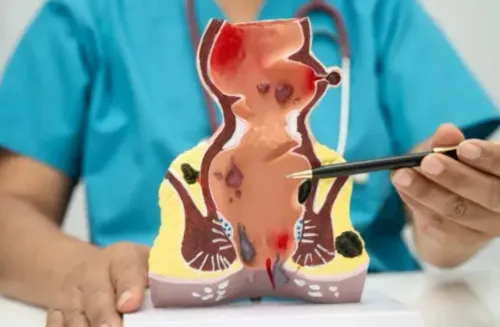
Laser treatment suits a selected pilonidal sinus, not every lump or pit near the tailbone. By distinguishing an inactive pit, an acute abscess, a draining sinus and recurrent disease, you can recognise when to seek assessment, what questions to ask, and when another operation may offer better disease clearance.
Key takeaways
- Laser suits limited, clearly mapped sinuses without a large active abscess.
- Treat an active abscess before considering laser tract ablation.
- Ask how tract extent, openings, recurrence, and wound care affect your choice.
- Discuss recurrence prevention, healing time, and follow-up before consenting.
Which Pilonidal Conditions Are Suitable for Laser Treatment?
Who benefits from laser pilonidal sinus treatment in Dombivli? Mainly patients with limited, assessable disease and no large active abscess. A single midline sinus, repeated drainage, foul smell, bleeding, pain while sitting, or recurrent swelling after infection control can justify assessment for tract ablation.
Multiple pits or persistent drainage despite cleft hygiene and observation also warrant review.
| State | What it means | Usual next step |
|---|---|---|
| Asymptomatic pit | A symptom-free opening without drainage, pain or swelling | Observe, keep the cleft clean and dry, and monitor; laser is usually unnecessary |
| Active abscess | A tender, fluctuant lump with pain, swelling or fever | Incision and drainage first; consider laser only after inflammation settles |
| Chronic draining sinus | Ongoing or repeated discharge, smell, bleeding or discomfort | Assess tract extent and consider laser when there is no large abscess |
| Recurrent disease | Sinus returning after drainage, excision or another treatment | Map the tracts and compare laser with other procedures |
An acutely painful abscess needs urgent drainage, not attempted laser ablation. Trying to seal an undrained collection increases treatment failure.
Seek prompt medical review for rapidly increasing pain or swelling, spreading redness, fever, foul pus, difficulty sitting, or feeling systemically unwell. These signs can indicate an abscess or spreading infection and should not wait for an elective appointment. Laser is a selected option, not a universal solution.
When Is Laser the Wrong Fit for the Tract?
A large abscess is the wrong moment for laser ablation: trapped pus needs drainage and infection control. Laser is also a poor fit when openings lead into widely branching or extensive lateral tracts, substantial scar tissue from repeated recurrence, significant skin loss, or a defect requiring wide excision and flattening of the natal cleft.
| Option | Main trade-off | When it may fit |
|---|---|---|
| Laser ablation | Smaller wound and faster early recovery | Limited, mapped, non-abscessed disease |
| Drainage | Relieves pus and pressure but does not remove chronic tracts | Large or acutely infected abscess |
| Pit-picking or endoscopic treatment | Less tissue removal, but limited reach for extensive branching | Selected small or moderate tracts |
| Off-midline closure or flap surgery | Larger surgical wound, with more recovery effort | Extensive, lateral, scarred or recurrent disease |
Obesity, a deep natal cleft, sweating, heavy hair, prolonged sitting and previous disease increase recurrence concerns, but none decides suitability alone. The surgeon must map every pit and the number, direction and extent of its tracts.
Compare pilonidal sinus laser surgery in Dombivli with drainage, pit-picking, endoscopic treatment, off-midline closure and flap surgery—not simply with doing nothing.
Published laser studies use different devices, settings, cleaning methods, group sizes and follow-up periods. Good short-term healing or faster activity does not prove long-term superiority over established flap operations. The decision is early convenience versus the more reliable clearance that extensive disease may need.
What Happens During the Assessment and Laser Procedure?
A surgeon decides suitability by mapping the disease, not by counting how many pits are visible at a glance. Examination includes inspecting the natal cleft, counting every midline and lateral opening, checking for a tender abscess, tracing possible lateral extensions, and examining scars from incision and drainage or previous open surgery.
Prior drainage, failed wound healing, recurrence, or earlier excision does not automatically rule out laser, but scarring and branching can change the recommended operation.
A practical sequence may include:
- Giving local, regional, or general anaesthesia, according to the tract and planned procedure.
- Cleaning the cleft and managing hair around the operative field.
- Opening or enlarging the pit so instruments can reach the sinus.
- Mechanically removing debris, then curetting granulation tissue from the tract.
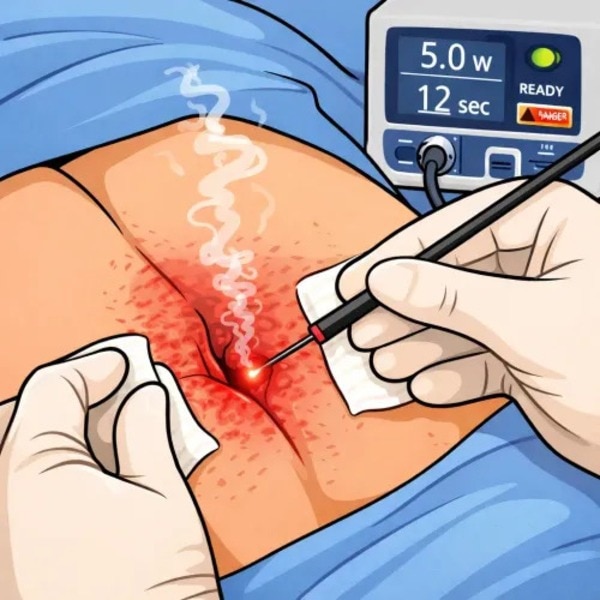
- Passing a laser fibre through the cleaned tract and applying thermal energy to ablate and seal its lining.
- Placing a dressing and confirming discharge timing, activity limits, and wound-care instructions.
This is tract ablation, not laser hair removal. Device settings, the amount of pit enlargement, and pit management vary, so confirm the exact technique before consent.
Ask whether curettage is included, what recurrence is expected at 12 months, what happens if branching disease appears, how to change the dressing, and what the backup plan is if healing fails. That detail matters when comparing laser pilonidal sinus treatment in Dombivli with other operations.
What Recovery and Recurrence Risks Should You Weigh?
A smaller laser wound can support quicker early activity than wide excision followed by open-wound care, but it is not painless, risk-free, or permanently recurrence-proof. Expect soreness, drainage, delayed healing, infection, and recurrent pits; convenience matters if early mobility outweighs managing a larger wound.
Recurrence remains possible because loose hair, friction, moisture, a deep natal cleft, and incomplete dressing or washing care can keep the tract irritated.
Hair management must be individualised: never put a razor, cream, or other product into an open or infected sinus unless instructed by your clinician; routine shaving can irritate skin or cause ingrown hairs. Follow instructions for dressings, washing, activity, and hair care.
| Option | Early recovery | Main trade-off |
|---|---|---|
| Laser tract ablation | Smaller wound and quicker early activity | Pain, drainage, delayed healing, infection, or recurrent pits remain possible |
| Wide excision with open wound care | Larger wound and slower wound care | More dressing work and activity limits |
| Off-midline closure or flap | Larger planned operation | May better suit extensive or recurrent tracts |
Before choosing a pilonidal sinus doctor near Dombivli, ask:
- Does the surgeon personally treat pilonidal disease?
- Which alternatives are available, including drainage, pit-picking, endoscopic treatment, excision, or flap surgery?
- What recurrence rate is expected, and over what follow-up period?
- What happens if laser does not close the tract?
Reject “scarless,” “100% cure,” and “one-day permanent treatment” claims as substitutes for these answers.
How Can You Choose the Right Consultation in Dombivli?
Searching for laser pilonidal sinus treatment in Dombivli should begin with an examination, not a procedure request. Bring a clear record of drainage episodes, abscesses, antibiotics, incision and drainage, previous surgery, wound-healing problems and current symptoms.
A consultation with Dr Sharad Gurav Laparoscopic Surgeon - 9324545771 can help match the treatment to the tract anatomy rather than choosing laser by name.
Ask whether the clinician personally treats pilonidal disease and compare the available options:
| Option | What the assessment checks | When it may fit |
|---|---|---|
| Laser ablation | Limited, assessable tracts without a large abscess | Small, non-abscessed disease |
| Drainage | Tender collection of pus and active inflammation | Undrained abscess |
| Pit management | Number and position of pits | Selective, limited openings |
| Endoscopic treatment | Internal tract extent and access | Suitable chronic tracts |
| Excision or off-midline flap | Branching, scarred or extensive disease | Recurrent or widely spread disease |
A pilonidal sinus doctor near Dombivli should also explain expected recurrence at a stated follow-up period, wound care and the backup plan if healing fails. Fever, spreading redness, rapidly increasing swelling, foul pus or systemic illness requires prompt medical review rather than waiting for an elective appointment.
Limited, non-abscessed, assessable disease may benefit from laser; an undrained abscess needs drainage first; extensive, branching or heavily recurrent disease may need a different operation and a longer-term clearance strategy.
Related services
Laser Treatment for Pilonidal Sinus Laser Treatment for Pilonidal Sinus Laser Treatment for Pilonidal Sinus is a minimally invasive and highly effective procedure offered by Dr. View service → |
Pilonidal Sinus Treatment Pilonidal sinus is a painful condition that can cause swelling, infection, and recurrent discharge near the tailbone area. Dr. View service → |
Frequently asked questions
Which pilonidal conditions are suitable for laser treatment?
Laser treatment is most suitable for limited, assessable pilonidal disease without a large active abscess. A single midline sinus, repeated drainage, foul smell, bleeding, pain while sitting, or recurrent swelling after infection control warrants assessment.
When is laser the wrong fit for a pilonidal sinus tract?
Laser may be unsuitable when you have a large active abscess, extensive branching tracts, multiple openings, severe surrounding infection, or disease that cannot be mapped reliably. An abscess usually needs drainage and infection control first.
What happens during assessment and laser pilonidal sinus surgery?
The surgeon examines the pits and openings, assesses infection and tract extent, and decides whether laser ablation is appropriate. During the procedure, the tract is cleaned and treated through a small opening under the planned anaesthesia.
What recovery and recurrence risks should you weigh?
Ask about wound care, pain control, sitting restrictions, return to work, follow-up, and warning signs such as fever or increasing redness. Laser does not eliminate recurrence; hair control, hygiene, weight management, and follow-up can affect risk.
How can you choose the right pilonidal sinus doctor near Dombivli?
Choose a surgeon who examines the disease personally, explains why laser fits your tract, discusses alternatives, gives written aftercare instructions, and provides a plan for recurrence or complications. Confirm where assessment, surgery, and follow-up will occur.
Keywords