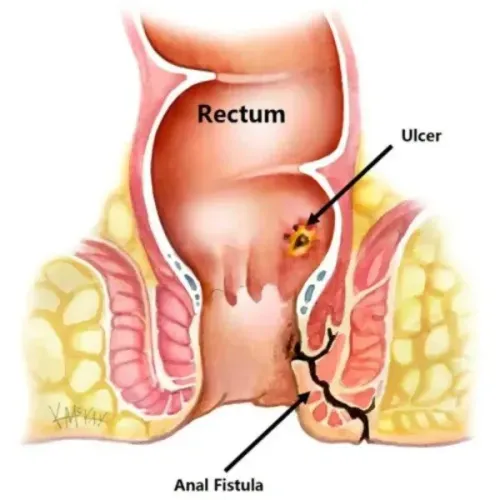
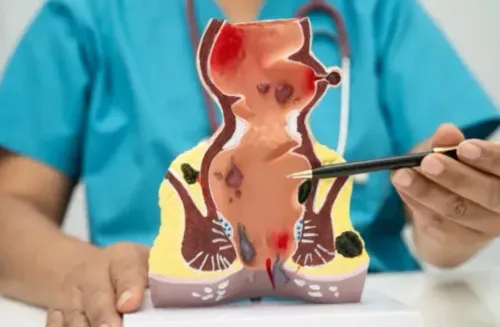
An anal fistula is a condition that rarely improves without proper medical treatment. It often begins as an infection near the anus, leading to the formation of a small tunnel between the inside of the anal canal and the skin. While some patients ignore the symptoms because they come and go, an untreated fistula can cause repeated infections, pain, and persistent discharge that affects daily life.
Modern surgical techniques have changed the way fistulas are treated. Consulting a Laser Fistula Treatment Specialist allows patients to explore minimally invasive options that aim to treat the condition while preserving the surrounding muscles responsible for bowel control.
What Is an Anal Fistula?
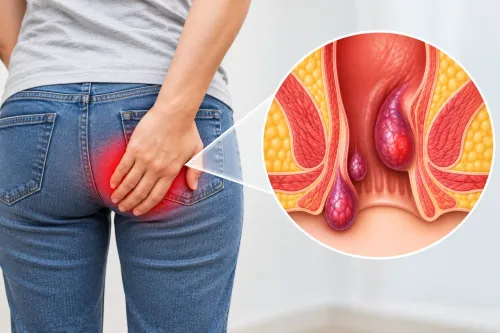
An anal fistula is an abnormal passage that usually develops after an anal abscess has drained either naturally or through surgery. If the underlying tunnel remains, bacteria can continue to collect inside, causing repeated infections.
Unlike minor skin infections, a fistula generally does not heal on its own. Temporary relief from antibiotics or drainage is common, but the tunnel usually remains unless it is treated surgically.
Symptoms That Should Not Be Ignored
The symptoms of a fistula can vary depending on its location and severity. Some patients experience continuous discomfort, while others notice repeated episodes of infection.
Common warning signs include:
- Persistent discharge near the anus
- Pain during sitting or bowel movements
- Swelling around the anal area
- Recurrent boils or abscesses
- Bleeding or pus discharge
- Skin irritation due to continuous drainage
If these symptoms continue despite medication, a detailed surgical evaluation becomes important.
Why Early Diagnosis Matters
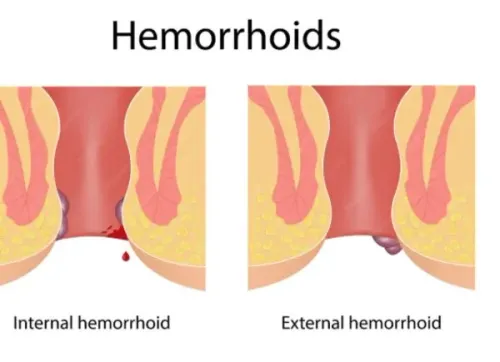
Many patients mistake a fistula for piles or a simple skin infection. Delaying diagnosis may allow the infection to spread deeper, making treatment more complex.
An experienced surgeon usually diagnoses the condition through a clinical examination. In some cases, imaging studies such as MRI or ultrasound may be recommended to understand the exact course of the fistula before planning treatment.
Early identification often allows for more effective treatment with a lower risk of recurrence.
How Laser Fistula Treatment Works
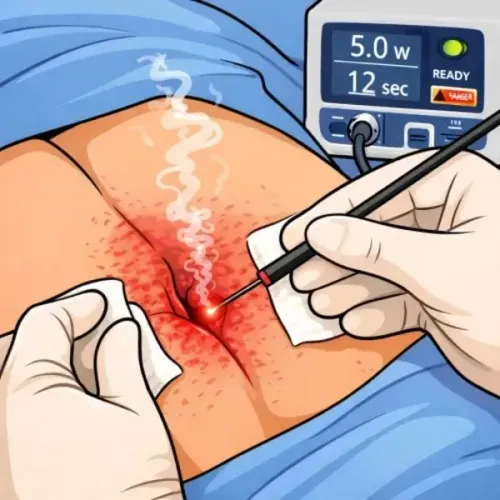
Laser technology has introduced a minimally invasive option for carefully selected fistula cases. Instead of creating large surgical wounds, a laser probe is used to close the fistula tract from within while minimizing damage to surrounding healthy tissue.
The procedure focuses on treating the infected tunnel with precision, helping reduce trauma and promoting faster healing.
Although laser treatment is highly effective for many patients, not every fistula is suitable for this approach. The final decision depends on factors such as the type, depth, complexity, and location of the fistula.
Benefits of Laser Treatment
When recommended by a specialist, laser treatment offers several potential advantages:
- Smaller surgical wounds
- Less postoperative pain
- Reduced bleeding
- Faster recovery
- Lower disruption of surrounding tissues
- Earlier return to routine activities
Every patient's recovery differs, but many appreciate the reduced discomfort associated with minimally invasive procedures.
Preparing for Surgery
Before proceeding with treatment, the surgeon may advise:
- A complete physical examination
- Blood investigations
- Imaging for complex fistulas
- Review of previous surgeries
- Assessment of existing medical conditions
Understanding the fistula's anatomy before surgery helps improve treatment planning and long-term outcomes.
Recovery and Postoperative Care
Proper care after surgery plays an important role in successful healing.
Patients are generally advised to:
- Keep the surgical area clean and dry.
- Follow prescribed medications carefully.
- Drink plenty of fluids.
- Eat a high-fiber diet to prevent constipation.
- Avoid prolonged sitting during early recovery.
- Attend follow-up visits as scheduled.
Most patients gradually return to their normal routines, although complete healing depends on the complexity of the fistula and the chosen treatment method.
Frequently Asked Questions
Can antibiotics cure an anal fistula?
Antibiotics may temporarily control infection but usually cannot eliminate the fistula tract itself.
Is laser treatment suitable for every patient?
No. The surgeon decides whether laser treatment is appropriate after evaluating the fistula's characteristics.
Will the fistula come back after surgery?
Recurrence depends on several factors, including the complexity of the fistula, the surgical technique used, and adherence to postoperative care instructions.
Is fistula surgery painful?
Modern minimally invasive techniques generally reduce postoperative discomfort compared to conventional procedures, although mild pain during recovery is normal and manageable with medication.
Patients in Dombivli, Maharashtra, often look for advanced surgical solutions that balance effective treatment with quicker recovery. Dr Sharad Gurav Laparoscopic Surgeon carefully evaluates each patient to determine the most appropriate management plan, including whether laser treatment is the right option. The provider focuses on individualized care based on clinical findings rather than recommending a single treatment for every case.
Living with an anal fistula can affect comfort, confidence, and overall quality of life. Seeking timely consultation from a Laser Fistula Treatment Specialist helps patients receive an accurate diagnosis, understand all available treatment options, and benefit from modern surgical techniques that support safe healing and long-term relief.
Keywords