The amount you pay for piles care in Dombivli depends less on a package label than on the diagnosis, haemorrhoid grade, procedure and facility charges. By comparing an itemised estimate with the examination findings, treatment alternatives and follow-up plan, you can choose appropriate care instead of the cheapest advertised option.
Key takeaways
- Request an itemised estimate after examination, including tests, anaesthesia and follow-up.
- Confirm whether bleeding comes from haemorrhoids or another colorectal condition.
- Match treatment to haemorrhoid grade, symptoms and examination findings.
- Compare recovery time, recurrence risk and total cost—not only the procedure fee.
What makes piles treatment cost different from one patient to another?
There is no single valid piles treatment price in Dombivli because treatment depends on your diagnosis, disease severity and the facility used. Ask for an itemised estimate after examination, not a package figure alone.
The estimate should show:
- Consultation, anal examination or anoscopy, and blood tests such as a complete blood count
- Colonoscopy when bleeding, anaemia, age, family history or screening history makes it necessary
- Medicines, procedure cost, local or general anaesthesia, operating-room or hospital facility fees and consumables
- Overnight stay, if required, plus follow-up visits
The number, size and grade of haemorrhoids affect the procedure. Bleeding with anaemia, a painful thrombosed lump, external disease, recurrent haemorrhoids or extensive prolapse can increase the work and cost. Medicines and an outpatient procedure can cost very differently from an operation.
| Option | Usually includes | Cost comparison |
|---|---|---|
| Consultation-led treatment | Examination, medicines and follow-up | Not comparable with surgery |
| Outpatient procedure | Procedure, facility, consumables and possible local anaesthesia | Usually different from an admission |
| Operation | Operating room, anaesthesia, facility, medicines and possible overnight stay | Higher scope of charges |
Ask whether the quote includes GST if applicable, medicines supplied at discharge, dressings, review visits and charges for managing complications. A quoted laser or stapler package cannot be compared fairly with consultation-led treatment until every included service is matched. Also ask what happens if bleeding, urinary difficulty, infection or another complication requires extra care.
How does a piles doctor confirm the cause of bleeding?
A piles doctor in dombivli starts by asking when bleeding began, whether it is bright red or mixed with stool, whether tissue protrudes, bowel frequency, stool consistency, pain, weight loss, fever, previous colon evaluation, pregnancy and anticoagulant use.
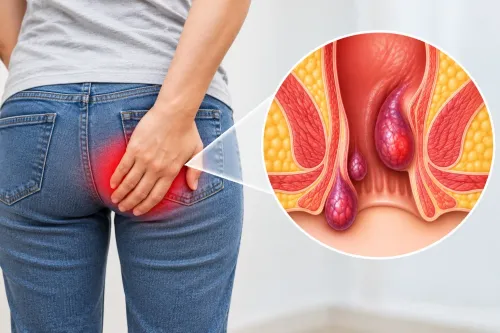
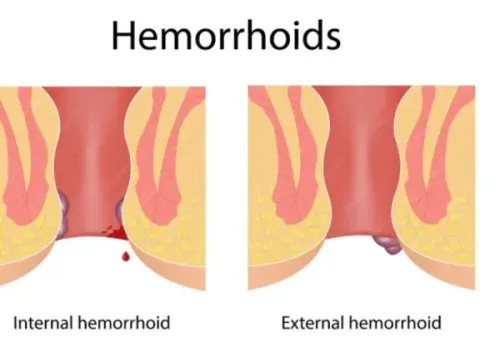
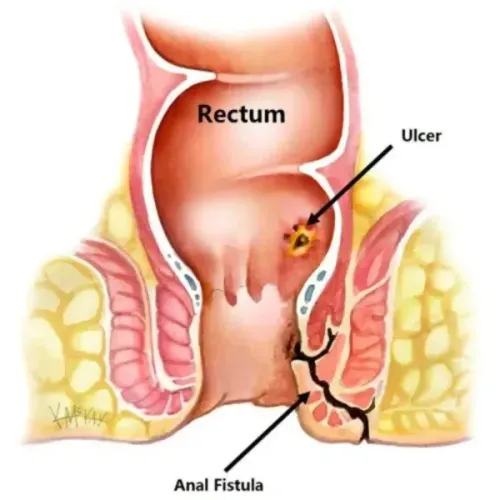
The clinician inspects the anal region for skin tears, swelling, a fistula opening or discharge, and prolapsed tissue. A digital rectal examination checks tenderness, masses and blood. An anoscopy then views the anal canal and internal haemorrhoids directly.
Internal haemorrhoids are graded by prolapse:
- Grade I bleeds without prolapsing.
- Grade II prolapses during straining and returns by itself.
- Grade III prolapses and needs manual reduction.
- Grade IV stays prolapsed and cannot be reduced.
Do not label every bleed as piles. Fissures cause sharp pain with defecation; fistulas leave an opening or discharge; abscesses cause fever, severe swelling and worsening pain. Rectal prolapse produces a larger, circumferential tissue protrusion. Polyps or colorectal cancer can cause altered bowel habit, weight loss or blood mixed with stool.
A complete blood count checks for anaemia when bleeding is recurrent, heavy or accompanied by fatigue. Colonoscopy or another bowel investigation is considered for concerning bleeding patterns, family history, older age, anaemia or overdue screening.
Seek urgent care for heavy or continuing bleeding, black stools, dizziness, fainting, fever, pus, severe swelling, a painful irreducible lump, or inability to pass stool or urine.
Which treatment is appropriate for each haemorrhoid grade?
Treatment follows the findings, not the words “laser” or “advanced.” Begin with fibre from food or a fibre supplement, adequate fluids, constipation or diarrhoea treatment, stool-softening measures, prescribed medicines, warm sitz baths, and avoiding straining or long toilet sitting. Fibre can reduce ongoing bleeding and symptoms; it will not immediately remove a large prolapsing haemorrhoid.
| Grade and finding | Usual treatment discussion |
|---|---|
| Grade I: bleeding without prolapse | Fibre and bowel-habit measures; sclerotherapy or infrared coagulation for selected persistent symptoms; rubber-band ligation for symptomatic internal disease |
| Grade II: prolapse that returns by itself | Conservative care; rubber-band ligation is commonly considered, with sclerotherapy or infrared coagulation for selected cases |
| Grade III: prolapse needing manual replacement | Rubber-band ligation for selected patients; persistent or unsuitable disease may require stapled haemorrhoidopexy or excisional haemorrhoidectomy |
| Grade IV: permanently prolapsed | Surgical assessment, often including stapled haemorrhoidopexy or excisional haemorrhoidectomy |
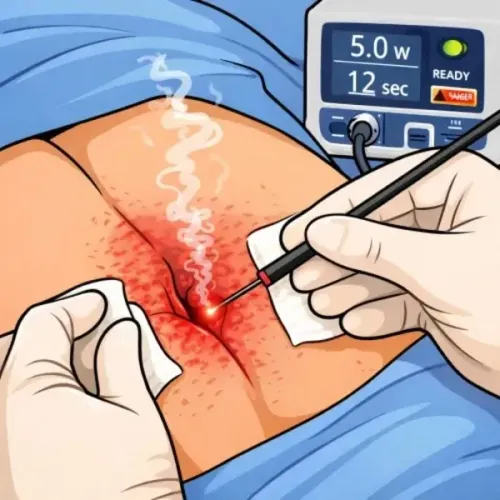
Rubber-band ligation treats symptomatic internal haemorrhoids, especially grades I, II and selected III, without an incision. Office-based sclerotherapy and infrared coagulation suit selected internal haemorrhoids, while a suitable painful external thrombosed lump may need thrombectomy after examination.
Stapled haemorrhoidopexy or excisional haemorrhoidectomy enters discussion for advanced prolapse, persistent symptoms, or a pattern unsuitable for office treatment. A lump might be internal, external, thrombosed or prolapsing; self-diagnosis can therefore lead to the wrong procedure. Ask a piles clinic in Dombivli to confirm the diagnosis before comparing treatment estimates.
How do laser, banding, stapler and conventional surgery compare?
Choose by haemorrhoid pattern, not by the procedure’s marketing label. Internal grade I–II and selected grade III haemorrhoids may suit rubber-band ligation; large external, thrombosed or markedly prolapsing haemorrhoids may need another approach after examination.
| Option | Practical advantage | Limits and likely cost factors |
|---|---|---|
| Rubber-band ligation | Outpatient, no incision, little time away from work | Selected internal haemorrhoids only; bleeding, pain or urinary difficulty can occur, and repeat treatment may be needed |
| Laser procedure | Uses thermal energy and may limit tissue cutting | Not automatically cheapest or best; suitability depends on prolapse, size and external involvement |
| Stapled haemorrhoidopexy | Lifts selected prolapsing internal tissue, often causing less early pain than excision | Recurrent prolapse is a recognised trade-off; it does not suit every pattern |
| Excisional haemorrhoidectomy | More definitive for advanced disease or substantial external components | More postoperative pain, wound care and recovery time |
Compare every estimate on the same basis: anaesthesia, facility or operating-room charges, medicines, dressings, time away from work, follow-up and recurrence risk. A laser package can look inexpensive until these items are added.
If you search for hemorrhoid treatment near Dombivli, ask whether anoscopy confirmed the diagnosis and whether the clinic can manage post-treatment bleeding, urinary retention or worsening pain. The word “minimally invasive” does not prove that a procedure fits your haemorrhoids.
Ask for an itemised written estimate, including investigations, anaesthesia, facility fees, medicines and review visits. A clinician should explain why the recommended option fits your grade and what you give up by choosing a less invasive alternative.
How should you choose a specialist clinic and prepare to book?
Choose a piles clinic in Dombivli by checking examination quality, procedure responsibility, emergency cover and the written estimate—not by choosing “laser” alone.
- Verify the clinician’s registration and stated specialty in the National Medical Commission register.
- Ask whether the doctor personally performs anoscopy and the proposed procedure.
- Confirm who handles heavy bleeding, urinary retention, fever or worsening pain after treatment, and how quickly you can reach them.
- Request an itemised estimate covering anaesthesia, facility charges, medicines and follow-up.
| Label | What it tells you | What to verify |
|---|---|---|
| Laparoscopic | Keyhole abdominal surgery | It does not make an anal procedure better |
| Colorectal surgeon | Relevant anorectal assessment | Access to examination and suitable aftercare |
| Procedure package | A bundled price | Included tests, medicines, reviews and complication care |
Ask these four questions directly:
- What diagnosis and grade did you find?
- Which non-operative and operative alternatives fit my case?
- What recurrence and recovery trade-offs apply?
- What is the complete out-of-pocket estimate, including anaesthesia, facility charges, medicines and follow-up?
Before you book piles consultation, record symptom duration, blood colour, prolapse and reducibility, stool pattern, pain, fever, weight loss, prior colon evaluation, pregnancy status and anticoagulant use. Dr Sharad Gurav Laparoscopic Surgeon - 9324545771 may be considered for specialist colorectal assessment, but choose only after examination findings and a clear estimate.
Related services
Hemorrhoids or Piles Hemorrhoids, also known as piles, are swollen and inflamed veins in the rectum and anus that can cause pain, itching, bleeding, and discomfort during... View service → |
Piles Surgery Piles surgery is an effective solution for patients suffering from severe or recurring hemorrhoids that cause pain, bleeding, and discomfort. Dr. View service → |
Frequently asked questions
Why does piles treatment cost differ between patients in Dombivli?
The total depends on the diagnosis, haemorrhoid grade, treatment selected, anaesthesia, tests, facility charges and follow-up care. Ask for an itemised estimate after examination.
How does a piles doctor confirm the cause of bleeding?
The doctor reviews your symptoms and medical history, examines the anus and rectum, and orders further tests when the bleeding pattern requires another cause to be excluded.
Which treatment is appropriate for each haemorrhoid grade?
Treatment depends on the grade and symptoms. Early grades may respond to diet, bowel-habit changes or outpatient procedures, while advanced prolapse can require surgery.
How do laser, banding, stapler and conventional surgery compare?
They differ in where they are performed, recovery time, suitability for prolapse, pain, recurrence risk and total cost. Your examination determines which option fits.
How should you choose a piles clinic and prepare to book?
Check the surgeon’s colorectal experience, ask what the estimate includes, discuss recovery and follow-up, and bring your symptom history, reports and medication list to the consultation.
Keywords