A hernia develops when tissue pushes through a weak area in the abdominal wall. It may appear as a lump in the groin, around the navel, or near a previous surgical scar. Some hernias cause discomfort during coughing, lifting, walking, or prolonged standing, while others are discovered during a routine examination.
Medication cannot close an abdominal wall defect. Surgical repair may be advised when symptoms, enlargement, occupation, hernia type, or complication risk justify intervention.
Differences between the approaches
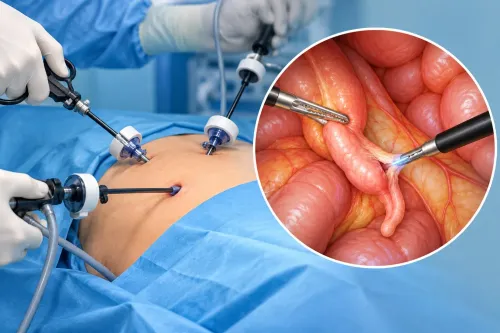
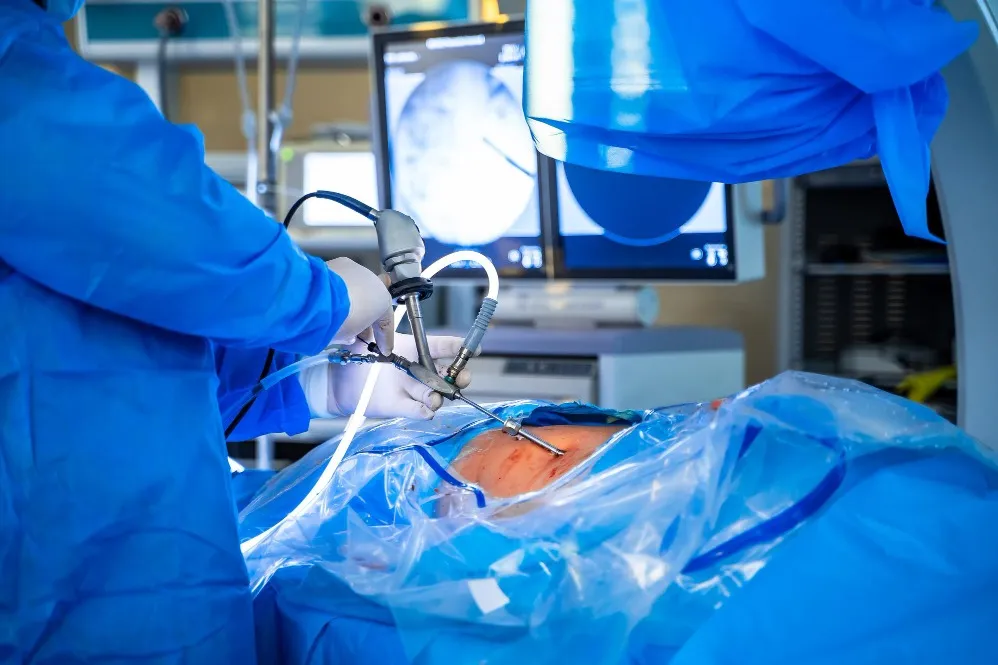
Laparoscopic Hernia Repair in Dombivli is performed through small incisions using a camera and instruments. The weakened area is usually reinforced with mesh when clinically appropriate.
Open repair uses an incision directly over the hernia. It may be performed under different types of anaesthesia depending on the hernia and patient. Both approaches are established, and each has situations in which it may be preferred.
Laparoscopic repair may be considered particularly useful for selected bilateral groin hernias, recurrent hernias previously repaired through an open approach, or patients for whom the anticipated recovery profile is favourable. Open surgery may be appropriate for certain large, complicated, or primary hernias and for patients who are not suitable for general anaesthesia.
Factors that affect the decision
The surgeon should assess:
- Hernia location and size
- Whether one or both groins are affected
- Previous hernia repairs
- Earlier abdominal operations
- Symptoms and daily activity
- Body weight and smoking status
- Diabetes or other health conditions
- Anaesthesia suitability
- Emergency features
- Patient preference after informed discussion
Mesh type and placement may also vary. Patients should ask why mesh is advised, where it will be positioned, and what complications are relevant to their procedure.
When a hernia becomes urgent
A hernia needs emergency assessment when the lump becomes suddenly painful, firm, discoloured, or impossible to push back, particularly when accompanied by vomiting, abdominal swelling, or inability to pass stool or gas. These signs can indicate obstruction or strangulation.
Trying to force a painful hernia back into the abdomen or relying on a support belt may delay necessary care. A belt can sometimes provide temporary comfort but does not repair the defect.
Preparing for a planned repair
Before surgery, patients may undergo blood tests, anaesthesia assessment, and evaluation of existing medical conditions. Smoking cessation, blood sugar management, weight optimisation, and treatment of chronic cough or constipation may improve recovery in suitable cases.
When comparing providers in Dombivli, Maharashtra, look beyond promises of a tiny incision. Ask about experience with the specific hernia type, management of recurrence, emergency backup, pain-control planning, and follow-up availability.
Dr Sharad Gurav Laparoscopic Surgeon offers assessment for different hernia presentations in Dombivli. A responsible consultation should explain both laparoscopic and open options rather than presenting one method as suitable for everyone.
The best repair is the method that addresses the individual defect safely, supports durable healing, and reflects the patient’s anatomy and overall health.
Keywords