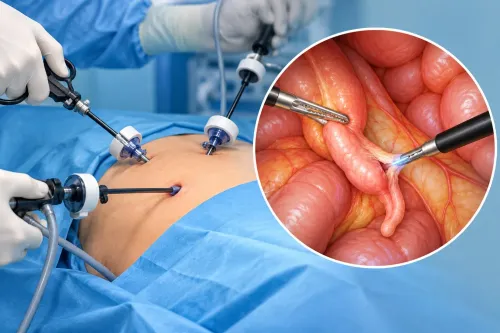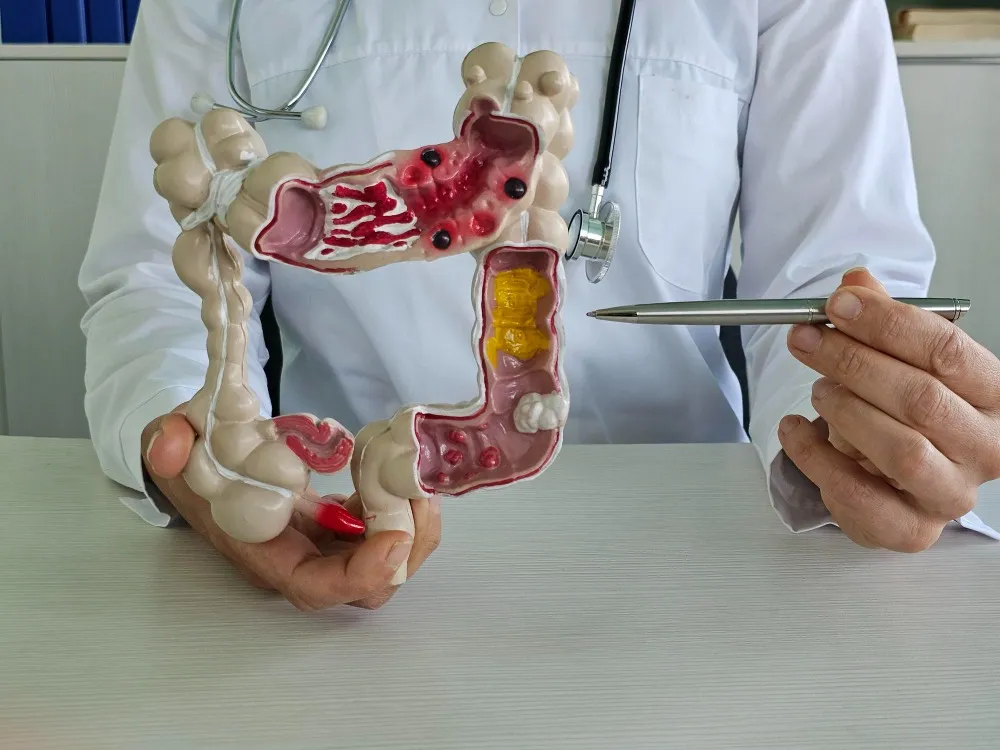
Occasional constipation is a common problem that usually improves with dietary changes, hydration, or short-term medication. However, when constipation becomes persistent and continues for months despite appropriate treatment, it may indicate an underlying condition that requires specialist evaluation. For some patients, Surgical Treatment for Chronic Constipation becomes an option after all suitable non-surgical approaches have been explored.
Understanding when surgery is appropriate and when it is not can help patients make informed decisions about managing this often frustrating condition.
What Is Chronic Constipation?
Chronic constipation is generally defined as infrequent bowel movements or difficulty passing stools that persists for several weeks or longer. It is more than simply not having a daily bowel movement. Many patients also experience excessive straining, incomplete evacuation, hard stools, or the need to use manual assistance.
Common symptoms include:
- Fewer than three bowel movements per week
- Hard or dry stools
- Excessive straining
- A feeling of incomplete emptying
- Bloating and abdominal discomfort
- Dependence on laxatives for regular bowel movements
If these symptoms continue despite lifestyle modifications, medical evaluation is recommended.
Common Causes of Long-Term Constipation
Chronic constipation can result from several underlying conditions rather than a single cause.
These may include:
- Low-fiber diet
- Inadequate fluid intake
- Sedentary lifestyle
- Side effects of medications
- Pelvic floor dysfunction
- Slow-transit constipation
- Structural abnormalities of the colon or rectum
- Neurological disorders
Because treatment depends on the underlying cause, identifying the reason for constipation is an essential first step.
When Is Surgery Considered?
Most patients improve without surgery. Surgical treatment is usually reserved for carefully selected individuals who have undergone comprehensive evaluation and have not responded to conservative management.
Surgery may be considered when:
- Symptoms remain severe despite prolonged medical treatment
- Diagnostic tests identify structural abnormalities
- Slow-transit constipation is confirmed
- The condition significantly affects quality of life
- Other treatable causes have been excluded
The decision is never based on symptoms alone. Detailed investigations help determine whether surgery is likely to provide meaningful benefit.
Tests That Help Guide Treatment
Before discussing surgery, a surgeon may recommend several diagnostic tests, including:
- Physical examination
- Blood investigations
- Colonoscopy when indicated
- Imaging studies
- Colonic transit studies
- Anorectal manometry
- Defecography in selected cases
These tests help distinguish functional constipation from conditions that may require surgical correction.
What Does Surgical Treatment Involve?
The type of surgery depends entirely on the diagnosed cause.
Possible procedures may address:
- Structural blockage
- Rectal prolapse
- Redundant colon
- Slow-transit constipation in carefully selected patients
Because every case is different, there is no single operation that treats all forms of chronic constipation.
A thorough discussion with the surgeon helps patients understand the expected benefits, limitations, and recovery process before proceeding.
Can Lifestyle Changes Still Help?
Even when surgery becomes necessary, healthy bowel habits remain important.
Patients are generally encouraged to:
- Increase dietary fiber gradually
- Drink adequate fluids
- Exercise regularly
- Respond promptly to the urge to pass stools
- Avoid excessive use of over-the-counter laxatives without medical advice
These measures continue to support bowel health after treatment.
Frequently Asked Questions
Does everyone with chronic constipation need surgery?
No. Most patients improve with dietary modifications, medications, and lifestyle changes. Surgery is considered only for selected cases after careful evaluation.
Can constipation return after surgery?
The outcome depends on the underlying condition, the procedure performed, and adherence to postoperative recommendations.
Is constipation always caused by a poor diet?
No. While diet plays an important role, chronic constipation may also result from nerve disorders, pelvic floor dysfunction, structural abnormalities, or slow bowel movement.
How do I know if I need specialist evaluation?
Persistent constipation lasting several weeks, especially when accompanied by abdominal pain, rectal bleeding, unexplained weight loss, or dependence on laxatives, should be assessed by a qualified surgeon or gastroenterologist.
Patients in Dombivli, Maharashtra, increasingly seek specialist evaluation when long-term constipation affects their daily comfort and quality of life. Dr Sharad Gurav Laparoscopic Surgeon performs detailed assessments to identify the underlying cause before recommending any surgical intervention. The provider emphasizes evidence-based decision-making and individualized treatment plans, ensuring that surgery is advised only when it is genuinely likely to benefit the patient.
Chronic constipation should never be accepted as a normal part of life when symptoms continue despite appropriate treatment. A comprehensive evaluation helps identify the root cause and determine whether medical management, lifestyle modification, or Surgical Treatment for Chronic Constipation offers the most effective path toward lasting relief.
Keywords