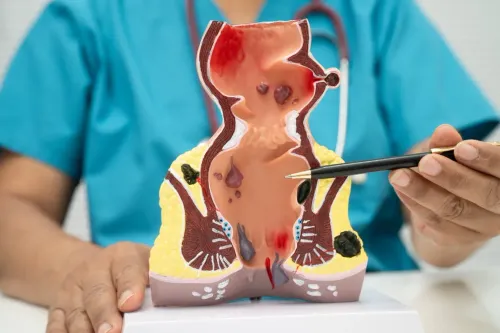
A sharp or burning pain during bowel movements that continues for several minutes or hours afterwards can indicate an anal fissure. An anal fissure is a small tear in the lining of the anal canal. It commonly develops after hard stools, constipation, repeated diarrhoea, or excessive straining.
Some patients avoid passing stools because they expect pain. This can worsen constipation, resulting in harder stools and further injury to the fissure. Breaking this pain-constipation cycle is an important part of treatment.
Common fissure symptoms
An anal fissure may cause:
- Sharp pain while passing stools
- Burning discomfort after a bowel movement
- Bright red blood on toilet paper
- A small cut near the anal opening
- Tightness or spasm in the anal muscles
- Fear of using the toilet
- Constipation caused by stool avoidance
These symptoms may resemble piles or other anorectal conditions. A proper examination is therefore necessary before treatment begins.
Acute and chronic fissures
A recently developed fissure is usually described as acute. It may heal when stools are kept soft and muscle spasm is reduced. A fissure that persists, repeatedly returns, or develops associated tissue changes may be classified as chronic.
Initial treatment can include fibre-rich food, sufficient water, prescribed stool softeners, warm sitz baths, and topical medication. The aim is to reduce trauma, improve local blood flow, and allow the tear to heal.
Self-treatment should not continue indefinitely when pain or bleeding persists. Conditions such as inflammatory bowel disease, infection, or another anal disorder may occasionally produce fissure-like symptoms and require different care.
When a procedure may be discussed
Laser Fissure Treatment in Dombivli may be evaluated when a chronic fissure does not respond adequately to conservative management. Depending on the findings, treatment may focus on the fissure tissue, associated skin tag, muscle spasm, or a combination of these factors.
Laser treatment is not a universal solution for every painful bowel movement. The choice of procedure depends on the fissure’s duration and location, the degree of sphincter spasm, previous treatment, continence history, and the patient’s overall health.
A surgeon should also explain alternative approaches. These may include medication, an injection to relax the anal muscle, or conventional surgery in suitable cases. Each method has potential benefits, limitations, and recovery considerations.
Supporting healing after treatment
Long-term improvement depends partly on preventing hard stools. Patients are generally advised to follow the prescribed bowel regimen, avoid delaying bowel movements, maintain hydration, and gradually increase dietary fibre when appropriate.
Medical review is particularly important when anal pain occurs with fever, pus discharge, a painful swelling, unexplained weight loss, or substantial bleeding. These signs may indicate an abscess or another condition rather than an uncomplicated fissure.
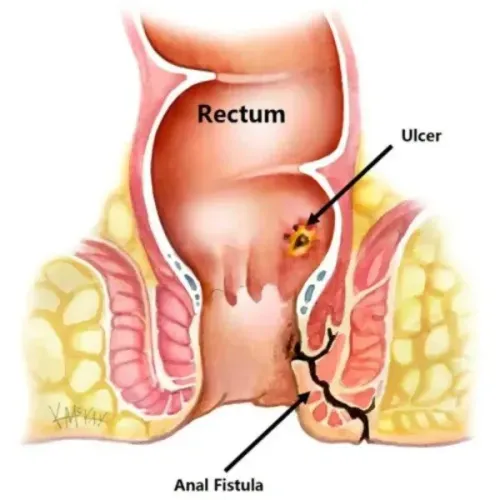
Patients seeking evaluation in Dombivli, Maharashtra, can consult Dr Sharad Gurav Laparoscopic Surgeon for diagnosis and treatment planning. A detailed examination helps distinguish fissures from piles, fistulas, abscesses, and other causes of anal pain.
Timely assessment can prevent prolonged discomfort and repeated self-medication. The right treatment is the one selected after confirming why the fissure has persisted and which factors are interfering with healing.
Keywords