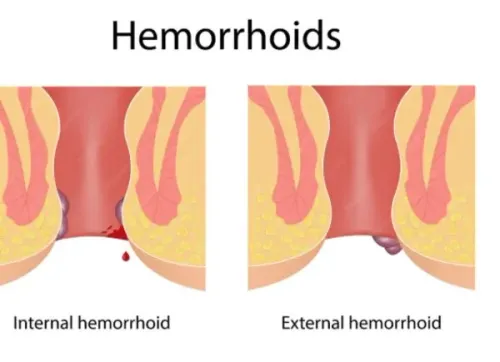
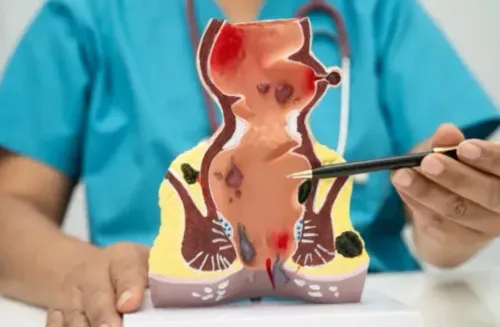
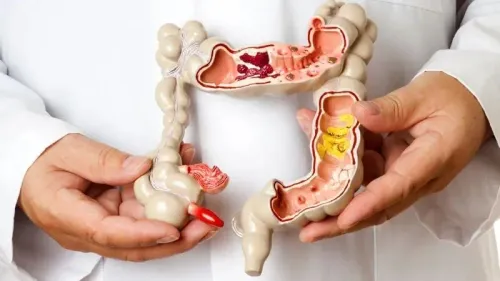
Piles, medically known as haemorrhoids, are swollen blood vessels inside or around the anal canal. They may cause bleeding during bowel movements, itching, discomfort, swelling, mucus discharge, or a lump near the anus. Although piles are common, many patients postpone an examination because they feel embarrassed or expect the condition to resolve without treatment.
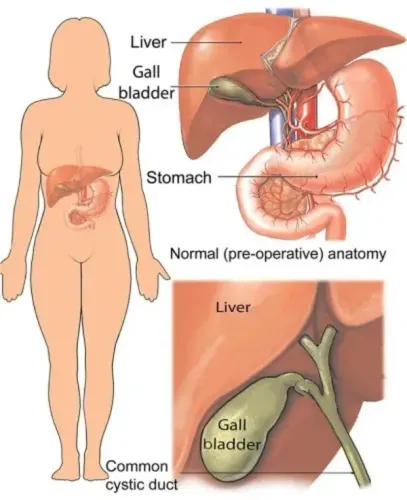
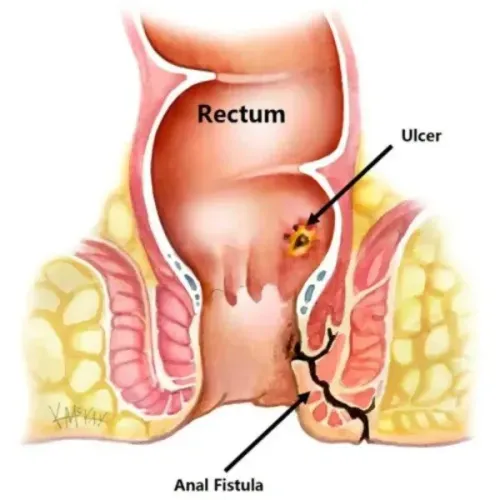
Occasional mild symptoms may improve with dietary changes and better bowel habits. Persistent bleeding, repeated prolapse, increasing pain, or difficulty passing stools should be evaluated by a qualified surgeon. Rectal bleeding must not automatically be assumed to be piles because fissures, fistulas, polyps, inflammation, and other bowel conditions can produce similar symptoms.
Why piles develop
Piles are often associated with increased pressure on the blood vessels around the rectum. Contributing factors may include:
- Chronic constipation
- Straining during bowel movements
- Sitting on the toilet for long periods
- Low-fibre food habits
- Pregnancy
- Obesity
- Repeated heavy lifting
- Chronic diarrhoea
- Age-related weakening of supporting tissues
A clinical examination helps determine whether piles are internal, external, or a combination of both. Internal piles may also be graded according to how far they prolapse outside the anal opening.
When conservative care may help
Early-stage piles do not always require a procedure. Depending on the diagnosis, initial care may include increasing fibre intake, drinking adequate water, avoiding excessive straining, taking prescribed stool-softening medicines, and improving toilet habits.
These measures address constipation and reduce pressure during bowel movements. They remain important even if a procedure is eventually recommended because untreated constipation can contribute to recurring symptoms.
How laser treatment fits into piles care
Laser Piles Treatment in Dombivli may be considered for selected patients whose symptoms persist despite appropriate conservative care. During a laser-based procedure, controlled energy is used to treat the haemorrhoidal tissue. The exact technique depends on the grade, location, size, and pattern of the piles.
Patients often ask whether laser treatment is automatically better than every conventional procedure. There is no single technique suitable for all cases. A surgeon must consider the severity of the piles, associated external components, previous treatment, general health, and expected recovery before recommending an approach.
What the assessment may involve
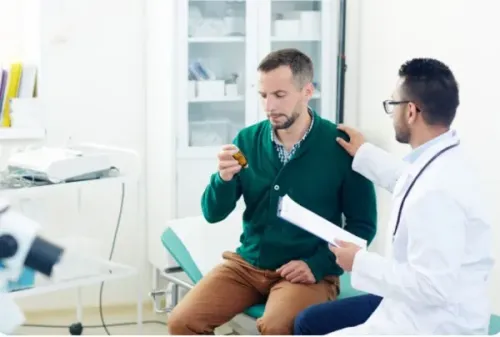
A consultation commonly includes a discussion about bleeding, bowel habits, pain, prolapse, medication use, and previous episodes. The surgeon may perform a local examination and proctoscopy. Further bowel evaluation may be advised when symptoms, age, family history, or examination findings suggest another possible cause.
Seek prompt medical attention if bleeding is heavy, stools appear black, pain becomes severe, fever develops, or dizziness and weakness accompany the bleeding.
Dr Sharad Gurav Laparoscopic Surgeon provides assessment for anorectal conditions in Dombivli, Maharashtra. The purpose of an evaluation is not simply to schedule a procedure but to confirm the diagnosis and identify the most appropriate treatment.
Piles treatment should be based on examination rather than symptoms alone. Early consultation can help patients understand whether lifestyle measures, medication, an office-based procedure, laser treatment, or another surgical technique is appropriate for their particular condition.
Keywords