When piles become painful, start bleeding regularly, or begin to prolapse outside the anus, lifestyle changes and medicines may no longer provide lasting relief. At this stage, many patients start researching advanced treatment options and often come across two commonly recommended procedures Stapler Surgery for Piles and laser surgery.
Both techniques are designed to reduce discomfort and help patients recover faster than conventional hemorrhoid surgery. However, they are not identical, and understanding the differences can help you discuss the most appropriate treatment with your surgeon.
When Is Surgery Recommended for Piles?
Not every patient with hemorrhoids requires surgery. Mild cases often improve with dietary modifications, hydration, and medications. Surgical intervention is generally considered when patients experience:
- Persistent bleeding during bowel movements
- Large prolapsed hemorrhoids
- Recurrent pain despite medical treatment
- Difficulty maintaining hygiene due to prolapse
- Frequent flare-ups affecting everyday activities
- Complications such as thrombosed hemorrhoids
A thorough clinical examination helps determine both the severity of the condition and the most suitable treatment option.
What Is Stapler Surgery for Piles?
Stapler surgery, also known as stapled hemorrhoidopexy, is a modern surgical technique primarily used for selected patients with prolapsed internal hemorrhoids.
Instead of removing the hemorrhoids directly, the procedure uses a circular stapling device to reposition the prolapsed tissue to its normal position inside the anal canal. At the same time, it reduces the blood supply to the hemorrhoids, causing them to shrink over time.
Because the procedure is performed above the pain-sensitive area of the anal canal, many patients experience less postoperative discomfort compared to traditional hemorrhoid removal.
How Does Laser Surgery Differ?
Laser piles surgery treats hemorrhoids using focused laser energy. The laser seals or shrinks the affected blood vessels with minimal damage to surrounding tissues.
Unlike stapler surgery, laser treatment may be used for different grades of hemorrhoids depending on the patient's condition and the surgeon's assessment. The approach focuses on precision and reduced tissue trauma.
Factors That Influence the Choice of Treatment
Every patient has different symptoms and expectations. During evaluation, surgeons typically consider:
- Grade of hemorrhoids
- Internal or external piles
- Previous treatments
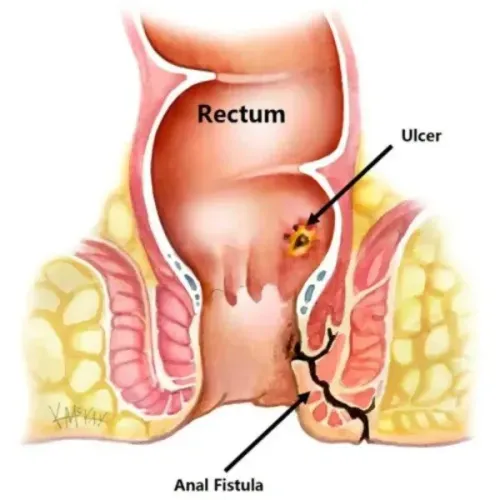
- Presence of fissure or fistula
- Overall medical condition
- Age and lifestyle
- Risk of recurrence
Choosing surgery based only on internet research may lead to unrealistic expectations. Professional assessment remains the most reliable way to identify the appropriate procedure.
What Is Recovery Like?
Both stapler surgery and laser surgery are designed to promote quicker recovery than conventional hemorrhoid surgery.
Most patients are encouraged to:
- Walk as soon as advised
- Drink adequate water
- Eat a fiber-rich diet
- Avoid prolonged straining
- Take medications exactly as prescribed
- Attend follow-up appointments
Temporary discomfort during bowel movements is possible after any piles surgery, but following postoperative instructions usually helps improve recovery.
Questions Patients Commonly Ask
Is stapler surgery permanent?
The procedure effectively treats suitable prolapsed hemorrhoids, but maintaining healthy bowel habits is important to reduce the risk of future problems.
Which surgery causes less pain?
Both stapler and laser techniques are designed to reduce postoperative discomfort compared with traditional hemorrhoid surgery. Individual experiences vary depending on the severity of the condition and overall health.
Can I return to work quickly?
Many patients return to desk-based work within a short period, although recovery timelines differ depending on the procedure and the nature of their job.
Is every patient eligible for stapler surgery?
No. Stapler surgery is appropriate only for selected cases. A detailed examination is necessary before deciding on the best treatment.
Patients in Dombivli, Maharashtra, increasingly seek advanced surgical options that provide effective treatment with shorter recovery periods. Dr Sharad Gurav Laparoscopic Surgeon evaluates every patient carefully before recommending either stapler surgery or laser treatment, ensuring that the chosen procedure matches the individual's symptoms, examination findings, and overall health. The provider emphasizes personalized surgical planning rather than recommending the same approach for every patient.
Living with piles should not become a long-term source of discomfort or embarrassment. Understanding the differences between Stapler Surgery for Piles and laser treatment allows patients to make informed decisions and discuss the most suitable option with a qualified specialist. Early evaluation often leads to better outcomes, smoother recovery, and improved quality of life.
Keywords