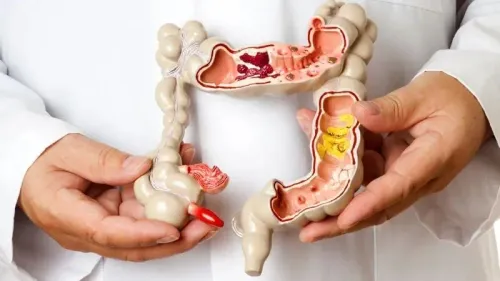
The colon can be affected by cancer, diverticular disease, polyps, obstruction, inflammatory conditions, and other structural problems. When medication or endoscopic treatment is insufficient, removal of a diseased segment may be recommended.
Hearing that colon surgery is required often raises concerns about large incisions, a permanent stoma, prolonged hospitalisation, and changes in bowel function. These outcomes are not the same for every patient. The diagnosis, location of disease, urgency, and planned procedure determine what surgery involves.
What laparoscopic colon surgery means
During Laparoscopic Colon Surgery in Dombivli, a camera and long instruments are introduced through small abdominal incisions. The affected portion of the colon is separated and removed, usually through one slightly enlarged incision. The healthy ends may then be joined.
Not every colon operation can be completed laparoscopically. Severe inflammation, extensive adhesions, advanced disease, obstruction, bleeding, or difficulty identifying anatomy can require conversion to open surgery. Conversion is a safety decision rather than automatically a complication or failure.
Will every patient need a stoma
A stoma brings part of the bowel to an opening on the abdominal wall so waste can pass into a bag. It may be temporary or permanent.
Whether one is needed depends on the disease location, infection, bowel condition, blood supply, urgency of surgery, and safety of joining the bowel. Patients should ask about the likelihood of a stoma and whether a stoma-care professional will provide education if it becomes necessary.
How preparation addresses common risks
Preparation may include imaging, colonoscopy, biopsy, blood tests, nutritional assessment, anaesthesia review, and treatment planning. Cancer cases may require multidisciplinary evaluation.
Important preoperative information includes:
- Current medicines and blood thinners
- Previous abdominal operations
- Diabetes control
- Heart or lung conditions
- Unexplained weight loss
- Existing bowel obstruction symptoms
- Smoking and alcohol use
- Allergies and previous anaesthesia problems
Some patients receive bowel preparation or antibiotics, while others do not. Instructions should be followed exactly and not copied from someone else’s operation.
What recovery can involve
Recovery programmes often encourage appropriate pain control, early mobilisation, breathing exercises, and gradual return to food. Bowel movements can initially be irregular. Hospital stay and return to work vary according to the procedure and whether complications occur.
Urgent advice is necessary for increasing abdominal pain, fever, persistent vomiting, wound discharge, breathlessness, inability to pass stool or gas, or sudden deterioration.
Patients evaluating colon surgery in Dombivli, Maharashtra, should ask which colon segment is affected, why surgery is necessary, whether cancer is suspected or confirmed, and how removed tissue will be examined.
Dr Sharad Gurav Laparoscopic Surgeon provides consultation for colon disorders and minimally invasive surgical planning in Dombivli. Complex conditions may also require coordination with gastroenterology, oncology, radiology, pathology, or stoma-care services.
Clear explanations should replace assumptions. Understanding the intended operation, possible alternatives, conversion risk, and recovery plan helps patients make informed decisions about major bowel surgery.
Keywords