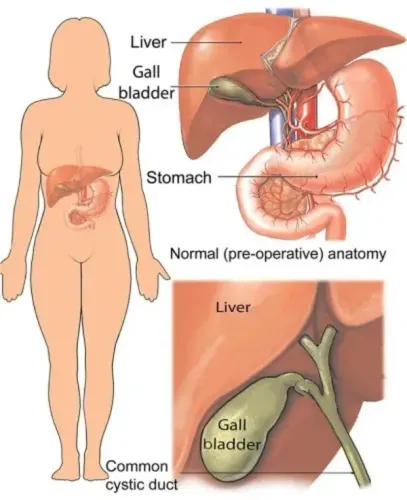
Gallstones form when substances in bile harden inside the gallbladder. Some gallstones remain silent, while others cause repeated pain in the upper abdomen, nausea, vomiting, bloating, or discomfort after meals. A stone may also block a bile duct and lead to jaundice, gallbladder inflammation, pancreatitis, or infection.
When gallstones produce significant symptoms or complications, removal of the gallbladder may be recommended. The usual minimally invasive operation is called laparoscopic cholecystectomy.
What the procedure involves
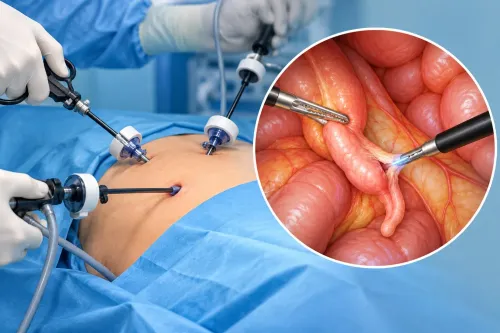
During Laparoscopic Gallbladder Stone Surgery in Dombivli, the surgeon generally makes several small abdominal incisions. A camera and specialised instruments are used to separate and remove the gallbladder.
The stones are normally removed with the gallbladder rather than taken out individually. This is because leaving the diseased gallbladder in place can allow new stones and symptoms to develop.
Although laparoscopic surgery is commonly planned, conversion to an open operation may occasionally be necessary when inflammation, adhesions, bleeding, unclear anatomy, or another safety concern makes keyhole surgery unsuitable. Patients should discuss this possibility during consent.
The first stage of recovery
Some patients can leave the hospital the same day or after a short stay, depending on the timing of surgery, their condition, and the hospital’s protocol. Temporary shoulder-tip discomfort or abdominal bloating may occur because gas is used during laparoscopy.
Early recovery may involve:
- Taking prescribed pain medicines
- Walking gently to support circulation
- Caring for the incision sites
- Eating smaller, lighter meals initially
- Avoiding strenuous activity
- Attending the scheduled follow-up
- Following individual bathing and dressing instructions
Patients should not drive until they can perform an emergency stop comfortably and are no longer affected by sedating medication. The surgeon’s advice takes priority because recovery varies.
Eating after gallbladder removal
Most people can digest food without a gallbladder because bile continues to flow from the liver into the intestine. Some experience temporary loose stools, bloating, or intolerance to fatty meals.
A gradual return to a balanced diet may be more comfortable than eating a large, oily meal immediately after surgery. Long-term severe dietary restrictions are not automatically required, but individual medical conditions may change the advice.
Warning signs during recovery
Patients should contact their surgical team if they develop increasing abdominal pain, persistent vomiting, fever, wound redness, pus discharge, jaundice, breathing difficulty, abdominal swelling, or inability to eat and drink. Emergency assessment may be required for severe symptoms.
Before surgery, tests may include blood investigations and abdominal ultrasound. Additional imaging may be advised when a bile duct stone is suspected.
Dr Sharad Gurav Laparoscopic Surgeon provides gallbladder assessment and laparoscopic surgical care in Dombivli, Maharashtra. A consultation can clarify why surgery has been advised, whether additional bile duct evaluation is needed, and what recovery may involve.
Recovery should not be compared solely with another patient’s experience. The severity of inflammation, timing of treatment, additional health conditions, and complexity of surgery can all affect the return to normal activity.
Keywords