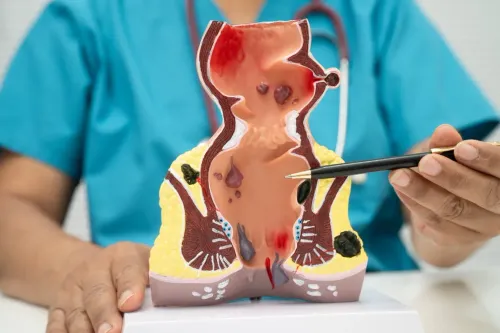
Colon disorders can affect people of all ages and may significantly interfere with digestion, bowel habits, and overall quality of life. While many conditions respond well to medication or lifestyle changes, some require surgical treatment to prevent complications or restore normal bowel function. Advances in modern surgery have made treatment safer and more patient-friendly through Minimally Invasive Colon Surgery, which offers an alternative to traditional open procedures for many suitable patients.
Understanding when minimally invasive surgery is recommended helps patients approach treatment with greater confidence and realistic expectations.
What Is Minimally Invasive Colon Surgery?
Minimally invasive colon surgery is performed using laparoscopic techniques that involve small incisions, a high-definition camera, and specialized surgical instruments. Instead of making a large abdominal incision, the surgeon operates through several tiny openings while viewing the surgical field on a monitor.
This approach allows precise surgical treatment while reducing trauma to surrounding tissues.
Depending on the diagnosis, the procedure may involve removing a diseased section of the colon, repairing damaged tissue, or treating complications affecting the large intestine.
Conditions That May Require Colon Surgery
Not every colon disorder requires an operation. However, surgery may become necessary for conditions such as:
- Diverticular disease with repeated complications
- Large or complex colon polyps
- Certain colorectal cancers
- Intestinal obstruction
- Severe inflammatory bowel disease in selected cases
- Colon injuries
- Benign growths causing symptoms
The decision to operate is based on detailed clinical evaluation, imaging findings, and the patient's overall health rather than symptoms alone.
Advantages of a Minimally Invasive Approach
Laparoscopic techniques have transformed colorectal surgery by improving the overall patient experience.
Potential benefits include:
- Smaller incisions
- Reduced postoperative pain
- Less blood loss
- Lower risk of wound-related complications
- Shorter hospital stay
- Faster recovery
- Earlier return to normal daily activities
- Smaller surgical scars
Although these advantages are significant, not every patient is a suitable candidate. Complex disease or emergency situations may sometimes require an open procedure.
How Is the Need for Surgery Determined?
Before recommending surgery, the surgeon conducts a comprehensive assessment that may include:
- Detailed medical history
- Physical examination
- Blood investigations
- Colonoscopy
- CT scan or MRI when indicated
- Review of previous medical conditions and medications
These evaluations help determine both the diagnosis and the safest treatment plan.
Preparing for Colon Surgery
Preparation varies depending on the condition being treated, but patients may receive instructions regarding:
- Dietary modifications
- Bowel preparation if required
- Medication adjustments
- Fasting before surgery
- Smoking cessation
- General fitness assessment
Following these instructions carefully helps reduce surgical risks and supports smoother recovery.
Recovery After Minimally Invasive Colon Surgery
Recovery differs from one patient to another depending on the complexity of the operation and overall health.
Patients are generally encouraged to:
- Begin walking as advised after surgery
- Gradually resume eating according to medical guidance
- Stay well hydrated
- Avoid heavy lifting during the healing period
- Attend all follow-up appointments
- Report fever, persistent pain, or wound concerns promptly
Careful postoperative monitoring helps identify and manage any complications early.
Frequently Asked Questions
Is minimally invasive surgery always possible?
No. The choice depends on the type of colon disease, its severity, previous surgeries, and overall patient health.
Will I recover faster than with open surgery?
Many patients experience a quicker recovery with laparoscopic techniques, although individual healing varies.
How long will I stay in the hospital?
The duration depends on the specific procedure performed, the patient's recovery, and whether any complications arise.
Can I return to normal activities after surgery?
Most patients gradually resume routine activities over several weeks, following the surgeon's recommendations regarding physical activity and diet.
Patients in Dombivli, Maharashtra, increasingly benefit from modern colorectal surgical techniques that focus on safety, precision, and faster recovery. Dr Sharad Gurav Laparoscopic Surgeon carefully evaluates each patient's condition before recommending Minimally Invasive Colon Surgery, ensuring that treatment decisions are based on clinical evidence, diagnostic findings, and individual health needs. The provider prioritizes personalized care and clear communication so that patients understand every stage of their treatment journey.
Colon disorders should never be ignored when symptoms persist or begin affecting daily life. Early consultation allows accurate diagnosis, timely intervention, and access to advanced surgical options when needed. For appropriately selected patients, Minimally Invasive Colon Surgery offers an effective approach to treating complex colon conditions while supporting a smoother recovery and a quicker return to everyday activities.
Keywords