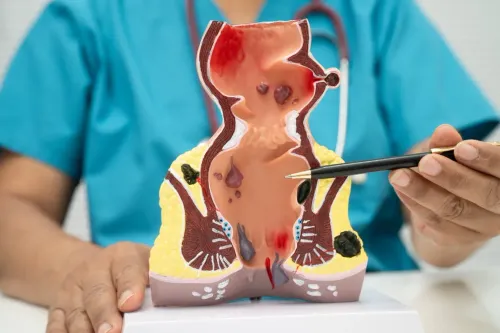
Abdominal pain is one of the most common reasons people visit an emergency department, but not every stomach ache is harmless. Pain caused by appendicitis often starts suddenly, worsens over time, and requires prompt medical attention. Delaying treatment can increase the risk of serious complications, including a ruptured appendix and widespread infection.
Modern surgical techniques have made treatment safer and more comfortable than ever before. Laparoscopic Appendix Removal Surgery is now considered the preferred approach for many patients because it combines effective treatment with smaller incisions, faster recovery, and reduced postoperative discomfort.
What Is the Appendix?
The appendix is a small, finger-shaped pouch attached to the large intestine. Although its exact function is still debated, it is not essential for normal digestion.
Problems occur when the appendix becomes blocked by hardened stool, swollen lymph tissue, or, in rare cases, other underlying conditions. Once blocked, bacteria multiply inside the appendix, causing inflammation known as appendicitis.
Without timely treatment, the inflamed appendix can burst, allowing infection to spread throughout the abdomen.
Recognizing the Symptoms of Appendicitis
Appendicitis usually develops quickly, and early recognition is important.
Common symptoms include:
- Pain that begins around the navel and moves to the lower right abdomen
- Loss of appetite
- Nausea or vomiting
- Fever
- Pain that worsens while walking or coughing
- Abdominal tenderness
- Difficulty standing upright because of pain
Some patients, particularly children and older adults, may experience less typical symptoms, making medical evaluation even more important.
Why Immediate Medical Attention Matters
Many people try to manage abdominal pain with painkillers or home remedies. While this may temporarily reduce discomfort, it can also delay diagnosis.
Untreated appendicitis may lead to:
- Rupture of the appendix
- Formation of an abscess
- Severe abdominal infection
- Longer hospitalization
- More complex surgery
- Extended recovery time
Seeking medical care as soon as symptoms appear often reduces the likelihood of these complications.
What Is Laparoscopic Appendix Removal Surgery?
Laparoscopic appendectomy is a minimally invasive procedure performed using a small camera and specialized surgical instruments inserted through tiny abdominal incisions.
The surgeon carefully removes the inflamed appendix while viewing the surgical field on a high-definition monitor. This allows precise surgery with minimal disruption to surrounding tissues.
Compared with traditional open surgery, laparoscopic techniques have become the preferred option for many patients whenever medically appropriate.
Benefits of Laparoscopic Surgery
Patients often recover more comfortably because the procedure offers several advantages:
- Smaller incisions
- Reduced postoperative pain
- Less blood loss
- Lower risk of wound complications
- Shorter hospital stay in many cases
- Faster return to normal activities
- Better cosmetic healing
These benefits make laparoscopic surgery particularly valuable for working professionals, students, and individuals who wish to resume their daily routines as early as safely possible.
How Is Appendicitis Diagnosed?
Before recommending surgery, the surgeon performs a detailed evaluation that may include:
- Clinical examination
- Blood tests
- Ultrasound
- CT scan when necessary
- Review of symptoms and medical history
Because several abdominal conditions can resemble appendicitis, accurate diagnosis helps ensure appropriate treatment.
Recovery After Surgery
Recovery following laparoscopic appendectomy is generally smooth for uncomplicated cases.
Patients are commonly advised to:
- Walk gently soon after surgery
- Stay well hydrated
- Begin eating according to medical advice
- Avoid heavy lifting for several weeks
- Keep the incision sites clean
- Complete the prescribed medications
- Attend follow-up appointments
Most patients notice steady improvement during the first few weeks, although recovery varies depending on the severity of the infection and individual health.
Frequently Asked Questions
Can appendicitis be treated with medicines alone?
In selected uncomplicated cases, antibiotics may be considered under medical supervision. However, surgery remains the standard treatment for most patients because it removes the source of infection and reduces the risk of recurrence.
Is laparoscopic surgery safe?
Yes. When performed by an experienced surgeon, laparoscopic appendectomy is a well-established procedure with an excellent safety profile for suitable patients.
How long does the surgery take?
The duration depends on the complexity of the case, but most uncomplicated procedures are completed within a relatively short period.
Can I live normally without an appendix?
Yes. Removing the appendix does not affect normal digestion or day-to-day life.
Patients in Dombivli, Maharashtra, increasingly prefer minimally invasive surgical techniques that support quicker recovery and reduced postoperative discomfort. Dr Sharad Gurav Laparoscopic Surgeon carefully evaluates every patient with suspected appendicitis to determine the most appropriate treatment based on clinical findings, imaging, and overall health. The provider focuses on timely diagnosis and evidence-based surgical care to help patients achieve the best possible outcomes.
Persistent abdominal pain should never be ignored, especially when accompanied by fever or nausea. Early consultation and, when required, Laparoscopic Appendix Removal Surgery can prevent serious complications, shorten recovery time, and help patients return to their normal lives with confidence.
Keywords