Gallstones are a common digestive condition that can remain unnoticed for years or suddenly cause severe pain and discomfort. While some gallstones never produce symptoms, others can lead to repeated abdominal pain, infection, or blockage of the bile ducts. When symptoms become frequent or complications develop, surgery is often the most effective and permanent solution.
Thanks to medical advancements, Advanced Laparoscopic Gallbladder Surgery has become the preferred treatment for most patients with symptomatic gallstones. This modern technique allows surgeons to remove the gallbladder through small incisions, offering a quicker recovery and less postoperative discomfort than traditional open surgery.
What Are Gallstones?
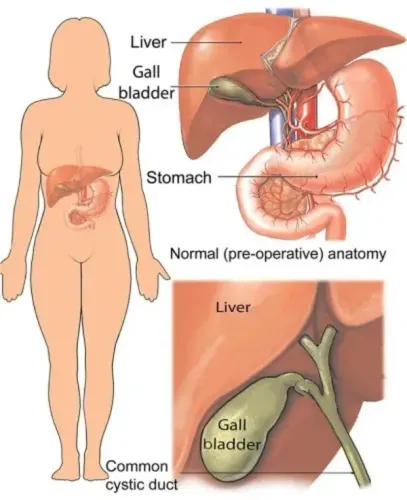
The gallbladder is a small organ located beneath the liver that stores bile, a digestive fluid that helps break down fats. Gallstones form when substances in the bile, such as cholesterol or bilirubin, become concentrated and harden into stones.
Some people develop a single stone, while others may have multiple stones of varying sizes. Many individuals never experience symptoms, but once gallstones begin causing pain, they are unlikely to resolve without treatment.
Common Symptoms That May Indicate Gallstones
Gallstone symptoms often appear after eating fatty meals but can occur at other times as well.
Typical symptoms include:
- Sudden pain in the upper right side of the abdomen
- Pain that spreads to the back or right shoulder
- Nausea or vomiting
- Bloating after meals
- Indigestion
- Repeated episodes of abdominal discomfort
If gallstones block the bile duct, patients may develop fever, jaundice, or severe abdominal pain that requires immediate medical attention.
Why Is Laparoscopic Surgery Preferred?
Unlike conventional open surgery, laparoscopic gallbladder removal uses a camera and specialized instruments inserted through small incisions in the abdomen.
The surgeon views the surgical area on a high-definition monitor and carefully removes the gallbladder while protecting nearby structures.
Because the incisions are much smaller, patients usually experience:
- Less postoperative pain
- Minimal blood loss
- Smaller scars
- Lower risk of wound complications
- Faster recovery
- Shorter hospital stay
These advantages have made laparoscopic surgery the standard approach for eligible patients worldwide.
Is Gallbladder Removal Safe?
One of the most common concerns patients have is whether they can live normally without a gallbladder.
The answer is yes. The liver continues to produce bile after surgery. Instead of being stored in the gallbladder, bile flows directly into the intestine. Most people digest food normally after recovery, although some may need temporary dietary adjustments during the healing period.
Preparing for Gallbladder Surgery
Before recommending surgery, the surgeon performs a detailed evaluation that may include:
- Physical examination
- Ultrasound imaging
- Blood investigations
- Additional imaging if required
- Review of medical history and medications
Patients are usually advised to fast before surgery and follow all preoperative instructions carefully to reduce surgical risks.
Recovery After Laparoscopic Gallbladder Surgery
Recovery is generally smoother than many patients expect. Most individuals begin walking within hours after the procedure and gradually return to normal activities over the following days.
Helpful recovery tips include:
- Start with light meals as advised.
- Drink enough fluids.
- Avoid lifting heavy weights during early recovery.
- Take prescribed medications on schedule.
- Attend follow-up appointments.
- Resume physical activity gradually after medical clearance.
Although mild discomfort is normal initially, severe pain, persistent fever, or excessive vomiting should always be reported to the surgeon immediately.
Can Gallstones Be Treated Without Surgery?
Patients often ask whether medicines or home remedies can dissolve gallstones permanently.
While certain medications may help dissolve selected cholesterol stones in limited situations, they are not suitable for most symptomatic patients and often require prolonged treatment with a higher chance of recurrence.
Once gallstones repeatedly cause pain or complications, surgical removal of the gallbladder remains the most reliable long-term treatment.
Choosing the Right Surgical Team
The outcome of gallbladder surgery depends not only on the technology used but also on the experience of the operating surgeon. Accurate diagnosis, careful surgical planning, and proper postoperative care all contribute to a safe recovery.
Patients in Dombivli, Maharashtra, increasingly seek specialists who have extensive experience in minimally invasive procedures. Dr Sharad Gurav Laparoscopic Surgeon evaluates each patient individually to determine whether laparoscopic gallbladder surgery is the most appropriate option based on symptoms, imaging findings, and overall health. The provider emphasizes evidence-based treatment and personalized surgical care rather than a routine approach.
Gallstones should never be ignored once they begin causing symptoms. Early evaluation helps prevent complications such as infection, inflammation, or blockage of the bile ducts. With Advanced Laparoscopic Gallbladder Surgery, many patients experience effective symptom relief, shorter recovery periods, and a safe return to their everyday lives. Consulting a qualified surgeon at the right time allows patients to understand their treatment options and receive care tailored to their individual medical needs.
Keywords