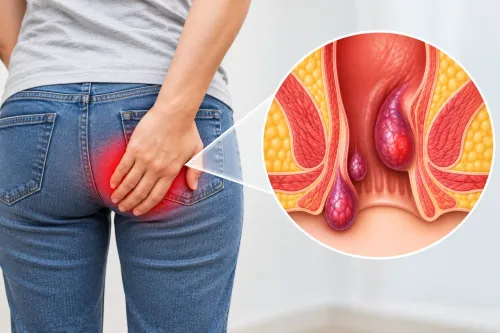
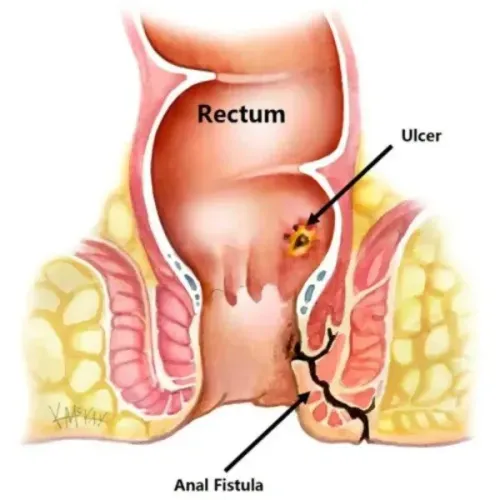
An anal fistula is an abnormal channel connecting the inside of the anal canal to an opening in the nearby skin. It frequently develops after an anal abscess, particularly when an infected gland does not heal completely. Patients may notice repeated swelling, pus discharge, skin irritation, or pain that improves after the area drains and returns when the opening closes.
A fistula rarely resolves through antibiotics alone because the underlying tract may remain present. However, the correct treatment cannot be chosen from the external opening alone. The surgeon must determine the tract’s route and its relationship with the muscles responsible for bowel control.
Signs that may suggest a fistula
Typical concerns include:
- Repeated pus or blood-stained discharge
- A small opening near the anus
- Recurrent painful swelling
- Irritation caused by persistent moisture
- Discomfort while sitting
- A history of a drained or burst abscess
- Fever during an acute infection
An active abscess may require urgent drainage before definitive fistula treatment is planned. Patients with fever, rapidly increasing pain, or spreading redness should obtain prompt medical attention.
Why fistula mapping matters
Fistulas can be simple or complex. Some pass through only a small amount of sphincter muscle, while others follow a higher or branching route. Previous surgery, inflammatory bowel disease, recurrent abscesses, and multiple external openings can make treatment more complicated.
The assessment may include clinical examination, proctoscopy, imaging such as MRI in selected cases, or examination under anaesthesia. Accurate mapping helps the surgeon select a method that treats the tract while protecting continence.
Understanding laser-based treatment
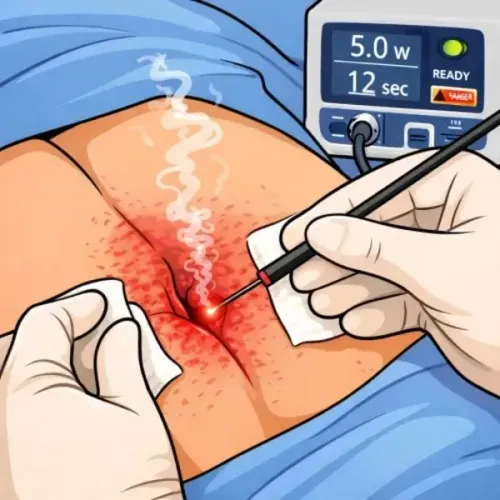
Laser Fistula Surgery in Dombivli uses controlled laser energy within the fistula tract in selected patients. The goal is generally to close or treat the tract without dividing substantial sphincter muscle.
Patients should understand that “laser” describes a treatment tool, not a guarantee that every fistula can be treated in the same way. Suitability depends on the tract anatomy, internal opening, branching, current infection, and previous procedures.
Other treatments may include fistulotomy, seton placement, advancement flap surgery, ligation techniques, or staged procedures. A complex fistula may require more than one intervention. The surgeon should explain why a particular method is appropriate and how continence preservation has been considered.
Recovery and follow-up
Post-procedure instructions may cover wound cleaning, warm water baths, dressing changes, pain medicine, stool regulation, and activity restrictions. Some discharge during healing can occur, but worsening pain, fever, heavy bleeding, urinary difficulty, or increasing swelling requires medical review.
Follow-up is important because external healing does not always confirm that the complete tract has resolved. The surgeon may assess drainage, wound condition, bowel control, and signs of recurrence.
Dr Sharad Gurav Laparoscopic Surgeon evaluates fistula and other anorectal conditions in Dombivli, Maharashtra. The consultation should provide clarity about the fistula type, available treatments, expected wound care, and possible need for staged management.
Patients benefit from seeking assessment before repeated infections cause additional tracts or scarring. A diagnosis-led plan offers a safer foundation than choosing a procedure solely because it is described as minimally invasive.
Keywords